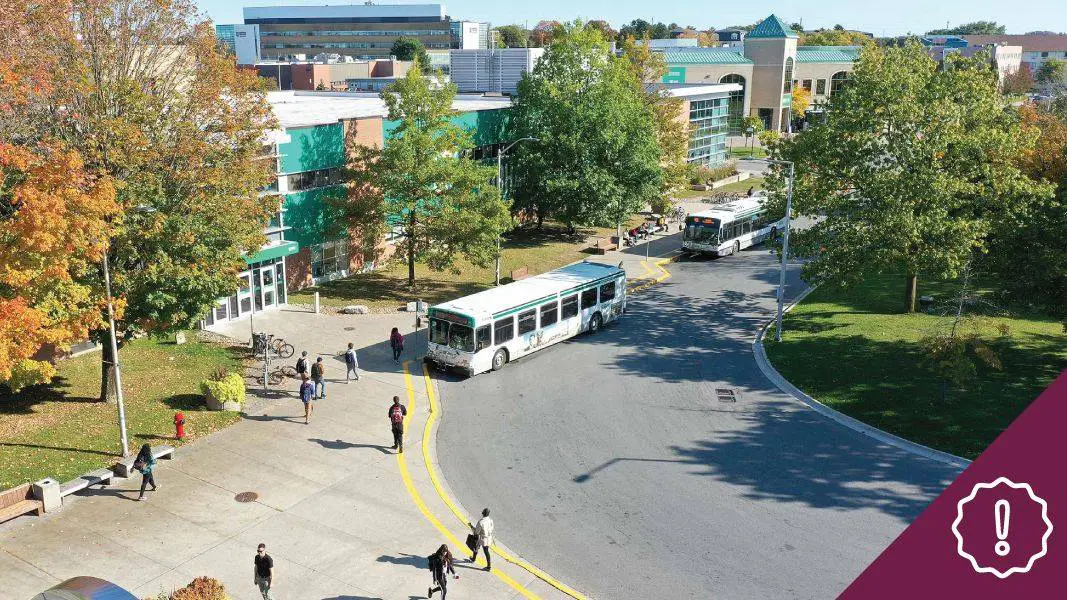
Campus Location and Community
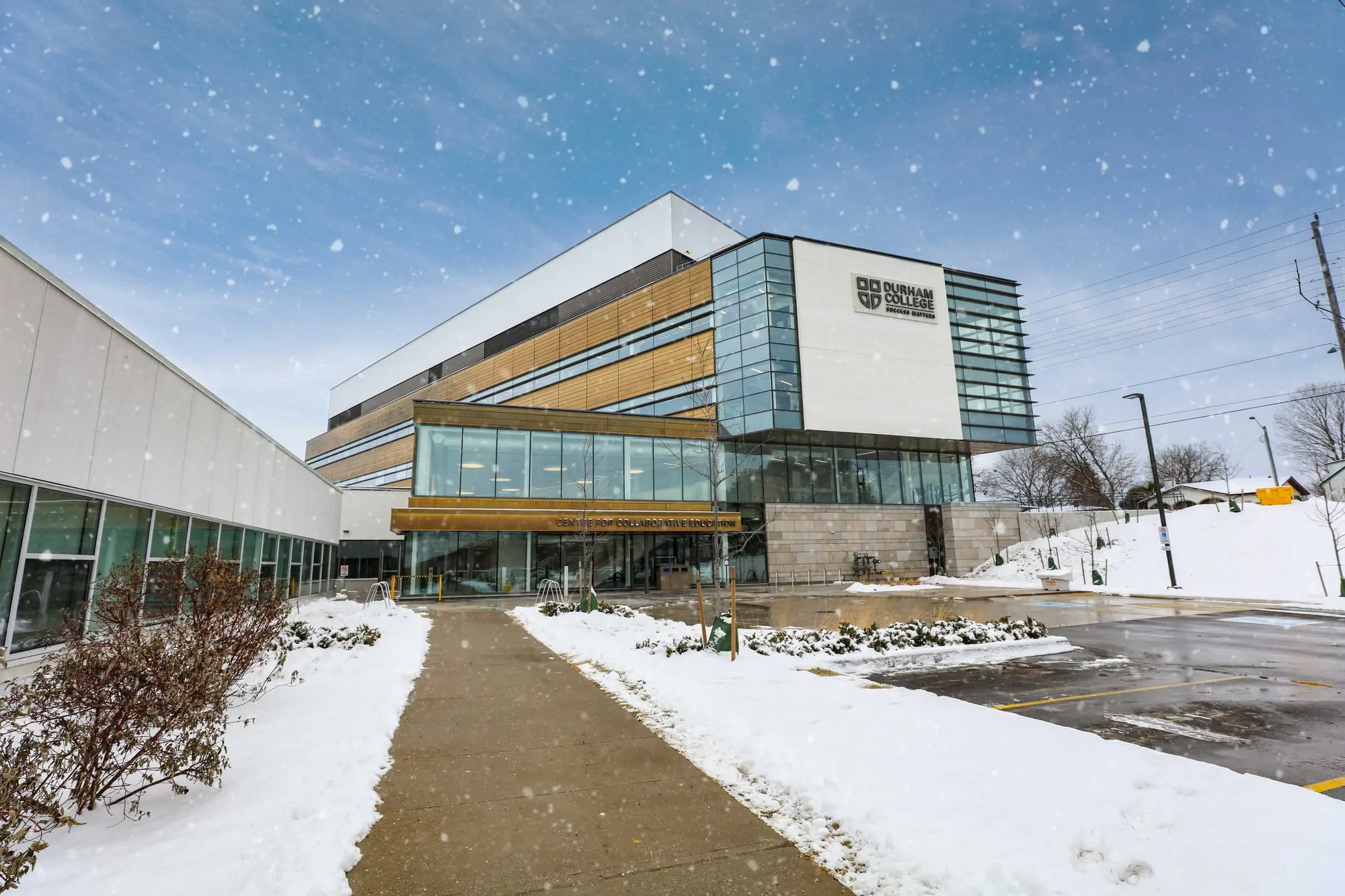
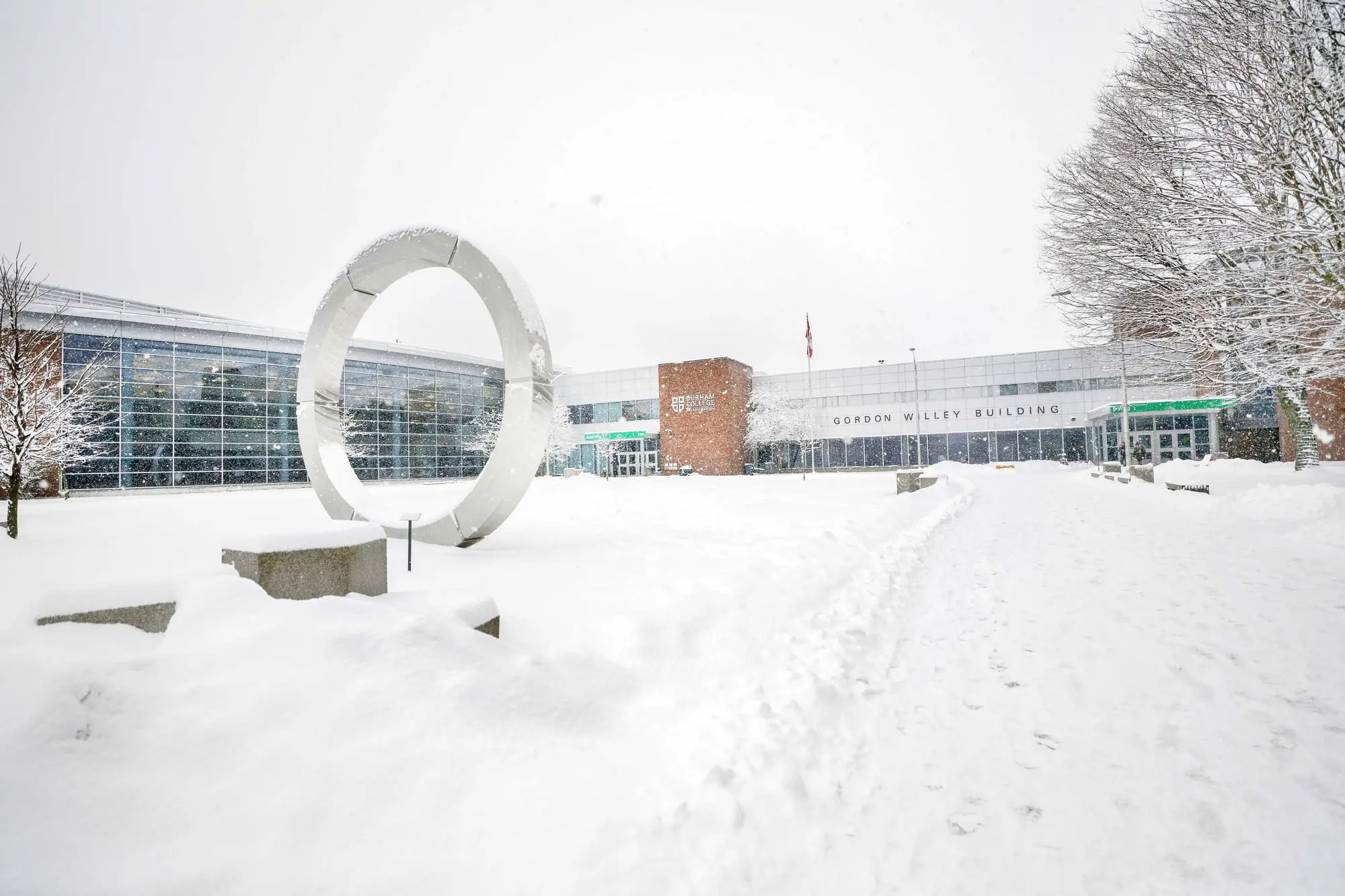
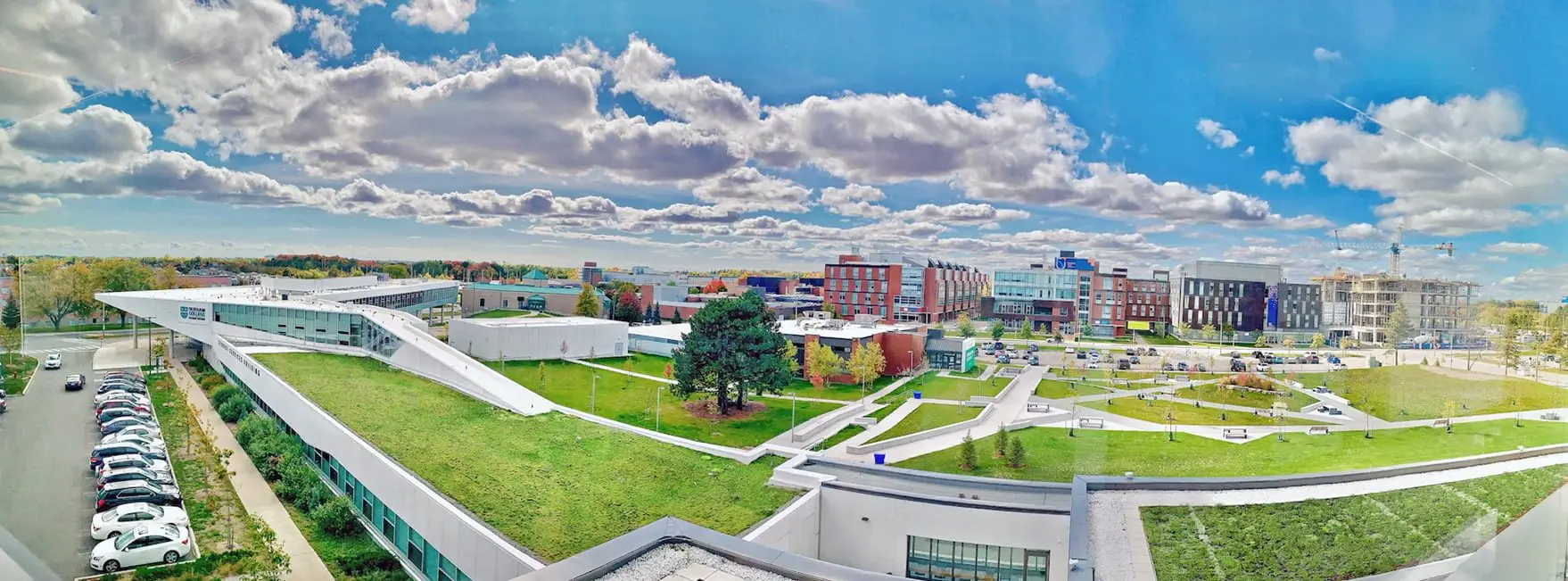
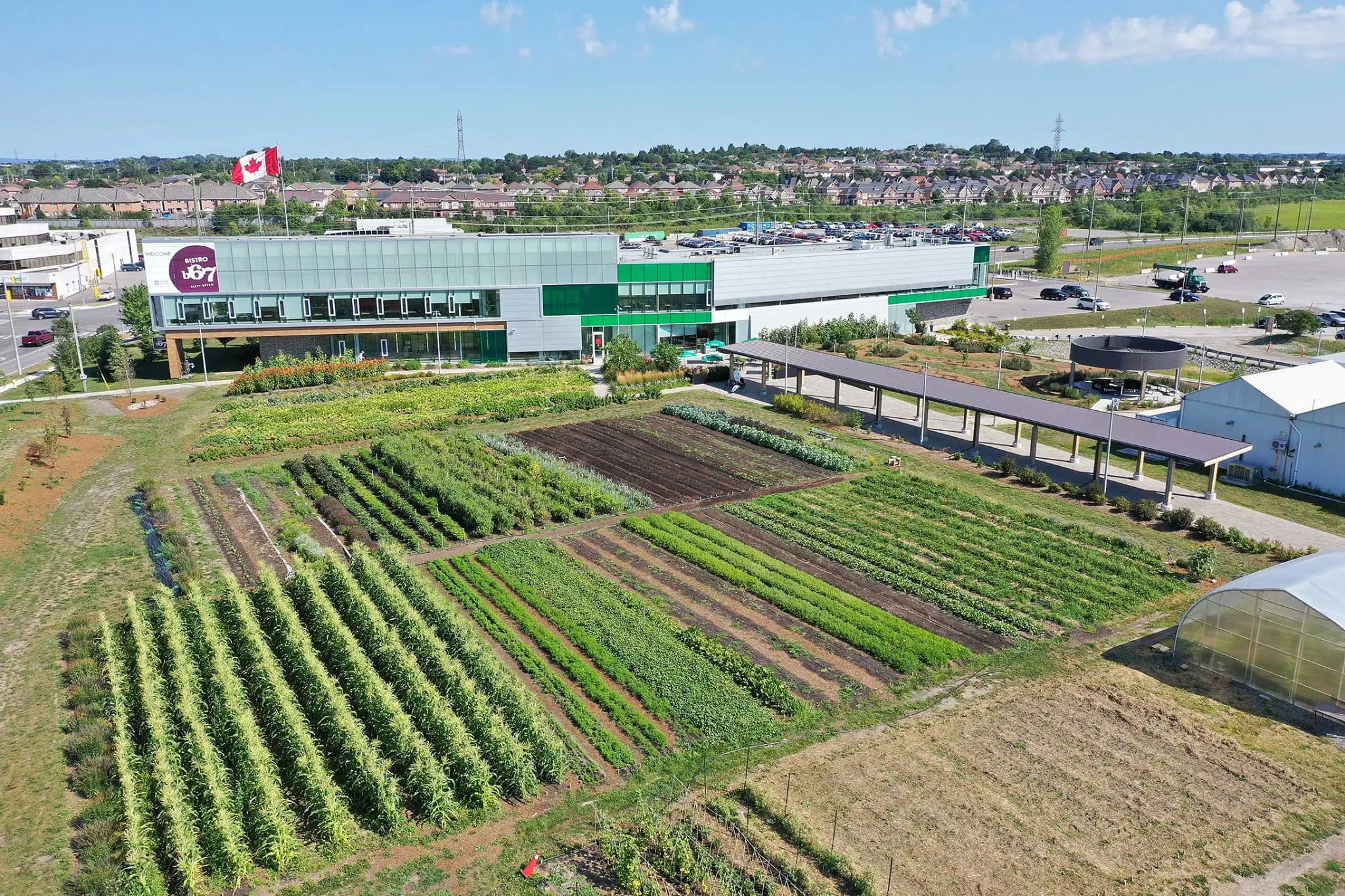
Durham College’s two campuses serve students from Durham Region and the wider Greater Toronto Area. The Oshawa campus includes creative studios, health simulation facilities and the Integrated Manufacturing Centre. The Whitby campus is home to specialized trades facilities and the W. Galen Weston Centre for Food, where students learn about hospitality, food production and horticulture.
The college acknowledges that it is situated on the traditional lands of the First Peoples of the Mississaugas of Scugog Island First Nation, within the traditional territory of the Anishinaabeg and on lands covered by the Williams Treaties.
Faculties and Academic Areas
Durham College organizes its post-secondary programs across eight faculties. Together, they offer options for students entering college from secondary school, exploring a new field or building on previous education and experience.
- Business: Areas include accounting, finance, marketing, human resources, entrepreneurship, supply chain, sport, office administration and personal care management.
- Health Sciences: Students can explore nursing, paramedicine, dental care, rehabilitation, fitness, animal care and pathways into further health studies.
- Hospitality and Horticultural Science: Studies cover culinary skills, food and farming, horticulture, hospitality, tourism and event planning.
- Liberal Studies: General arts and science and pathway studies allow students to explore subjects, strengthen academic skills and prepare for further post-secondary education.
- Media, Art and Design: Study areas include journalism, broadcasting, advertising, graphic design, animation, photography, music business and interactive media.
- Science, Engineering and Information Technology: Programs span laboratory sciences, engineering technology, computing, artificial intelligence, construction management and environmental technology.
- Skilled Trades and Apprenticeship: Training includes automotive work, carpentry, electrical techniques, plumbing, welding, heating and ventilation, and mechanical trades.
- Social and Community Services: Fields include early childhood education, social services, behavioural science, mental health, legal services, policing and emergency response.
Credentials and Learning Options
Certificates commonly provide a focused introduction to a field or preparation for further education. Diplomas and advanced diplomas combine career preparation with opportunities to continue into other credentials. Four-year honours bachelor’s degrees integrate theoretical knowledge with applied learning, while graduate certificates help students deepen their skills after previous post-secondary study or relevant experience.
The college also offers professional and part-time learning, including courses, programs and micro-credentials. Some programs have remote, hybrid or flexible delivery options, and selected programs offer weekend study. Availability depends on the program.
Pathways and Credit Recognition
General arts and science options give students an opportunity to explore interests and develop academic skills while preparing for other college programs or university transfer. The brochure also describes selected transfer pathways to Ontario Tech University and Trent University.
Applicants who have attended another post-secondary institution can explore credit transfer. Prior Learning Assessment and Recognition provides a way to formally assess relevant knowledge gained through work, volunteering or other life experience.
Experiential Learning and Career Preparation
Practical learning is a central feature of the Durham College experience. Nearly all full-time programs described in the brochure include an experiential component, whether through a placement, applied research, simulation, capstone project or exercise integrated into coursework. The type and availability of experience vary by program.
Some programs include co-operative education, which combines academic study with paid work experience outside the academic term. Work terms are mandatory in certain programs and optional in others. Students may also undertake field placements, supervised practicums, volunteer work or projects with community and industry partners.
Career Development services support students and alumni with career coaching, job searches, résumé and cover letter preparation, interview practice and workshops. Students interested in entrepreneurship can access FastStartDC, an extracurricular program that supports the development and launch of student businesses.
Facilities and Applied Learning Environments
Health and Community Services
Health students learn in facilities designed to reflect professional practice. The nursing simulation lab uses human simulators representing patients from infants to adults, giving students a setting in which to practise clinical and communication skills. Dental hygiene students develop client-care and radiography skills in an on-campus dental clinic serving members of the public under professional supervision.
Students in several community and emergency-service programs can take part in a multidisciplinary disaster simulation, responding to staged scenarios alongside learners from other fields. A moot court classroom provides a space for practice trials and advocacy exercises.
Food, Horticulture and Skilled Trades
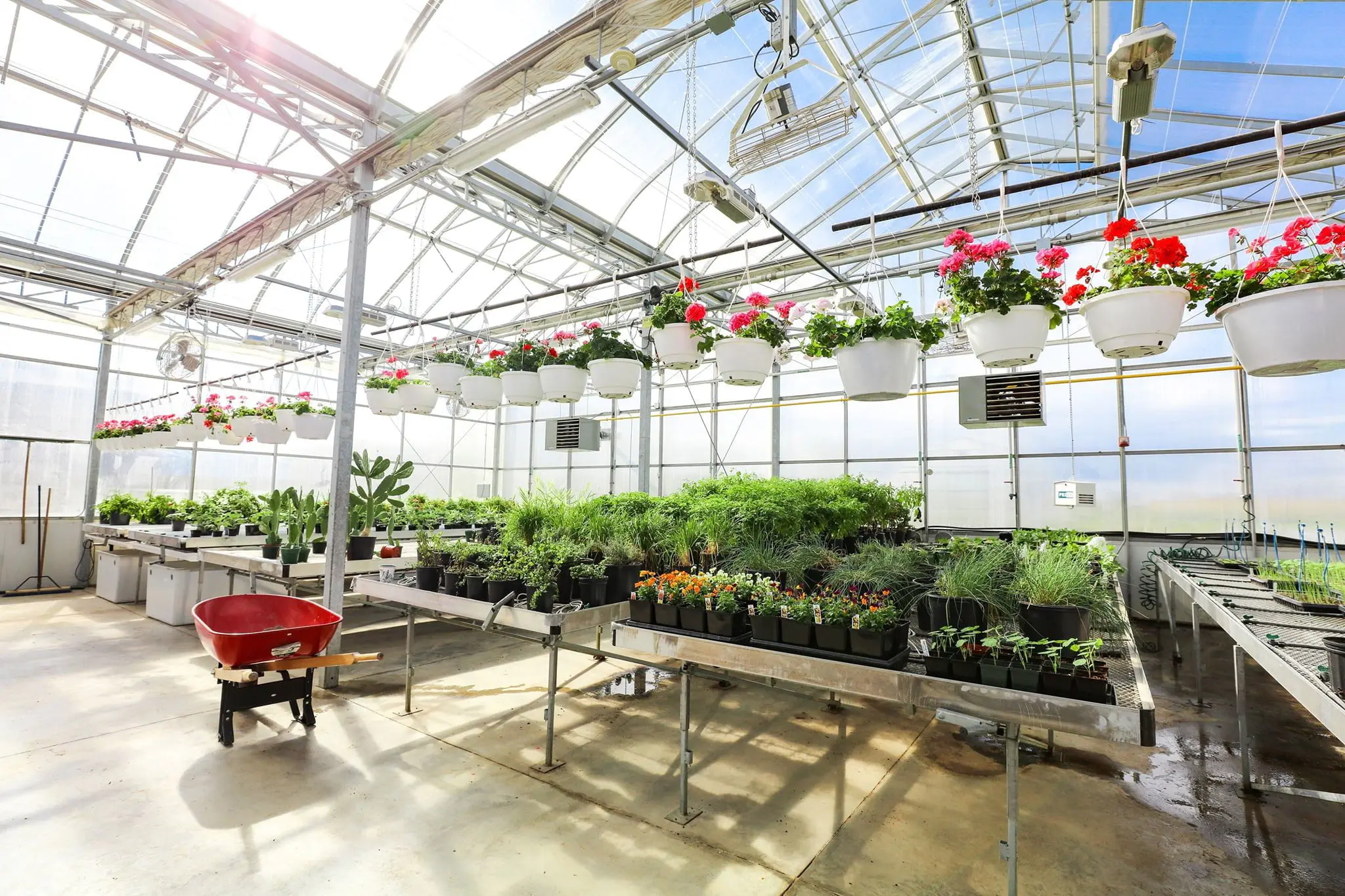
At the Whitby campus, the W. Galen Weston Centre for Food brings together classrooms, labs, agricultural fields, a greenhouse and a hydroponic vertical farm. Students can apply their learning through work experiences connected with Bistro ’67, the centre’s full-service restaurant, and its retail store. Horticulture students also participate in planning, planting, maintaining and harvesting crops.
The Ontario Power Generation Centre for Skilled Trades and Technology contains specialized labs and shops for post-secondary and apprenticeship training. Its facilities include a shop lab and a two-storey building model used by plumbing and elevating-device students. Other Whitby learning spaces include a crane simulator lab and motor vehicle shop.
Technology and Creative Media
At Oshawa, the Integrated Manufacturing Centre provides an automated environment for applied technical learning. The biomedical engineering lab contains patient simulators and medical equipment used to develop practical skills. Students may also work with the AI Hub on applied research projects involving businesses and non-profit organizations.
Creative facilities include a mixed-reality capture studio with motion capture, virtual reality tracking and green screen space. In the campus newsroom, journalism students produce content for the college newspaper and external partners. The esports gaming arena supports recreational and competitive play as well as experiential learning for selected programs.
General Admission Pathways
Many certificate and diploma programs require an Ontario Secondary School Diploma or equivalent, or consideration as a mature student, along with Grade 12 English. Depending on the field, applicants may also need senior-level mathematics, biology, chemistry or other prerequisites. Some creative programs require a portfolio or relevant arts preparation.
Applicants who are at least 19 years old on the first day of classes and do not have a secondary school diploma or equivalent may be considered under mature student status. Program-specific prerequisites and other requirements can still apply.
Honours degree requirements generally include senior secondary courses at the university or university-and-college preparation level, with required subjects and minimum grades varying by program. Graduate certificates generally require a college diploma or degree; some also consider relevant industry experience. Proof of English language proficiency is required for a number of programs, and certain specialized pathways may require an interview, assessment or professional documentation.
Domestic applicants to full-time programs generally apply through the Ontario Colleges Application Service. The brochure identifies separate application processes for some collaborative university programs. International applicants have a separate admissions pathway.
Student Services and Financial Support
Student Academic Learning Services provides peer tutoring, subject and learning-skills support, and writing and English-language assistance. The Access and Support Centre offers accommodations and services such as accessibility coaching, assistive technology and peer support. The RISE initiative provides programming and community connections for students who identify barriers to post-secondary success.
The First Peoples Indigenous Centre supports Indigenous students through coaching, resources, workshops, traditional ceremonies and opportunities to meet with Traditional Elders. The Campus Health and Wellness Centre offers medical and mental health services, an on-site pharmacy, wellness coaching and other health services. Orientation, student life events and leadership opportunities are available through the Student Development Office.
The Financial Aid and Awards office assists students with the Ontario Student Assistance Program, scholarships, bursaries, budgeting and financial literacy. The college also describes on-campus work-study opportunities.
Housing and Campus Life
On-campus residence options are available at both Oshawa and Whitby. Oshawa residences include South Village and Simcoe Village, while Whitby Village serves students at the Whitby campus. Residences are access-controlled and offer a campus community for students living away from home.
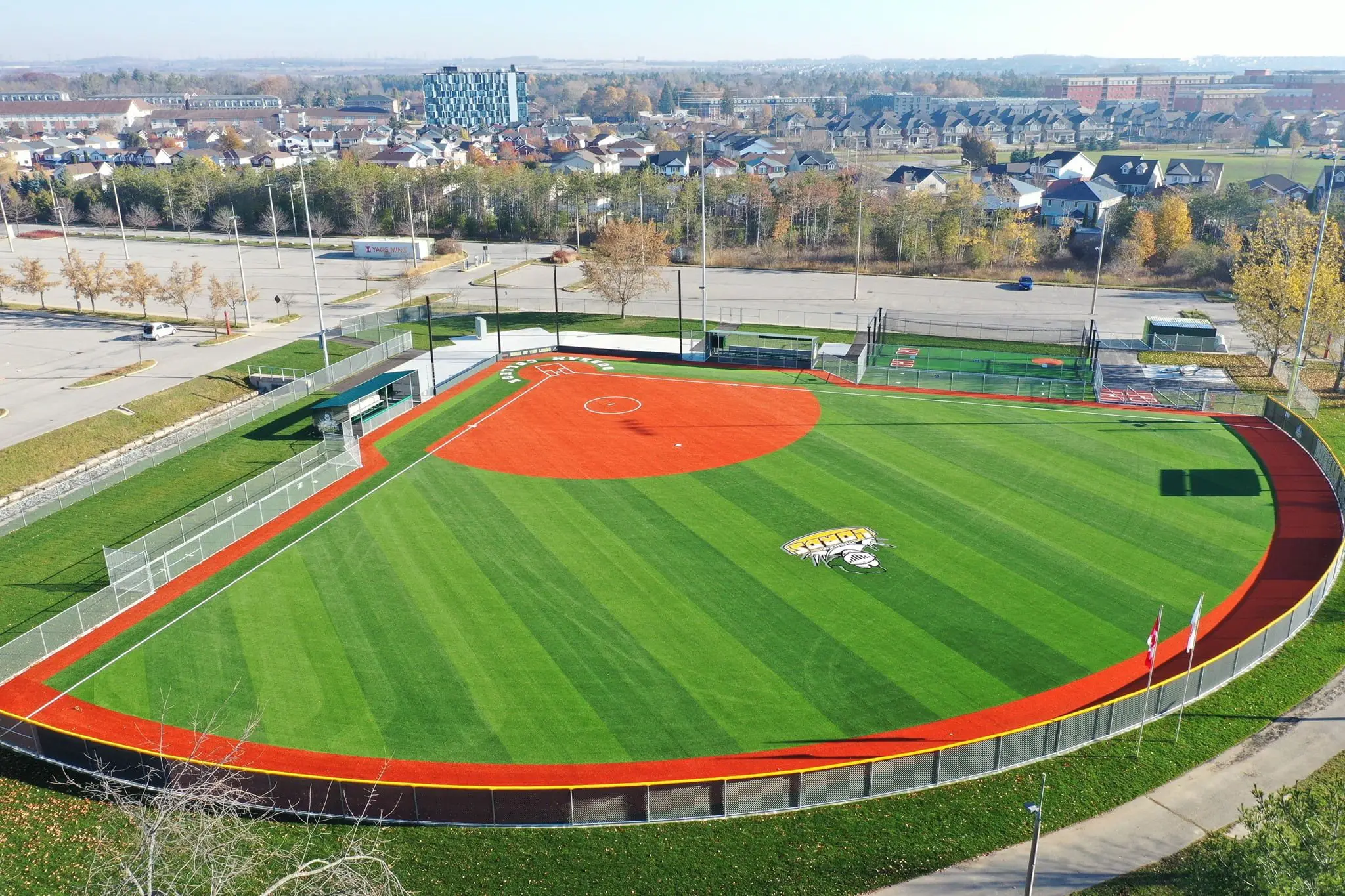
Students can also participate in recreational and intramural activities, use campus fitness facilities or pursue varsity athletics. Guided campus tours and self-guided virtual tours provide ways for prospective students and families to explore the two campuses.