Athabasca University
1 University Drive, Athabasca, AB T9S 3A3
  • $17,055
  • Annual tuition for 30 credits including additional fees
  • PGWP: Yes
  • IELTS
  • 6
  • Student Bursary: Yes
  • DLI
  • O19092373272
  • Programs
  • 90
  • Campuses
  • 8

Description

Athabasca University is a public university based in the town of Athabasca, Alberta. Founded in 1970, it specializes in open and online education, offering university-level study to learners across Canada and internationally. Its academic areas include business, health, humanities, social sciences, science and technology.

The university offers undergraduate and graduate credentials as well as individual courses and professional development. Its distance-learning model is designed for students who want to study away from a conventional campus, including adults balancing education with work, family or other responsibilities.

Read More Close

Location and Online Learning Community

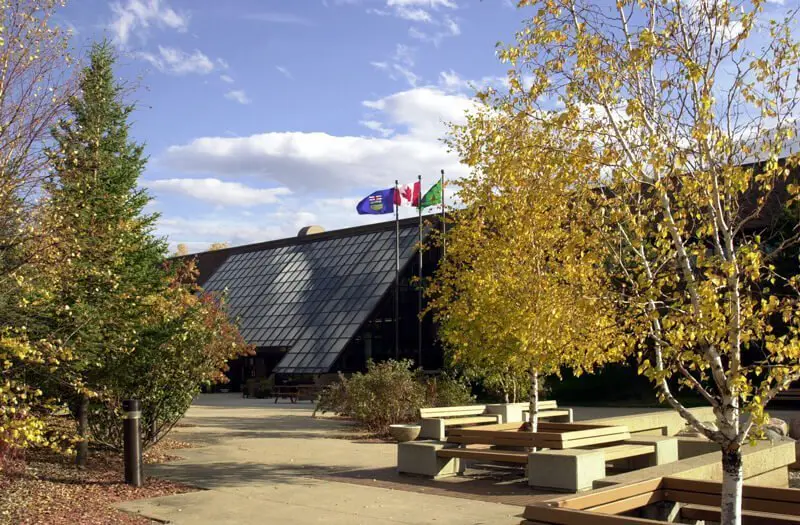
Athabasca University’s home campus and administrative functions are in Athabasca, north of Edmonton. Although the university is rooted in Alberta, its students participate from communities throughout Canada and elsewhere. The university does not operate a traditional campus where students attend regular in-person classes.

Online delivery is central to the institution’s approach rather than an alternative to a campus-based experience. Students access learning resources and support remotely, while the structure of their studies depends on the course or program. This model can be useful for people who live far from a university campus or whose schedules make regular classroom attendance difficult.

Faculties and Academic Areas

Athabasca University is organized into five faculties: Business; Health Disciplines; Humanities and Social Sciences; Science and Technology; and Graduate Studies. Together, they support study in academic, professional and interdisciplinary fields.

Undergraduate options include bachelor’s degrees, university certificates and diplomas. Graduate students can pursue master’s and doctoral degrees, graduate diplomas and graduate certificates. The university also offers individual courses for learners who are not seeking an Athabasca University credential and professional development for those looking to update or extend their skills.

Business and Health

Business study spans undergraduate and graduate education, with options that address management and professional practice. The Faculty of Health Disciplines offers study in areas such as nursing, health administration, health studies and counselling. Applicants to professional and graduate programs should review the requirements of their chosen program, since open access to the university does not remove program-specific conditions.

Humanities, Social Sciences, Science and Technology

The Faculty of Humanities and Social Sciences brings together fields across the arts, social sciences and interdisciplinary studies. Graduate study includes areas such as education, instructional design and interdisciplinary research.

The Faculty of Science and Technology encompasses science, computing and information systems, and architecture. Its offerings include undergraduate science education and graduate study that combines theoretical and practical learning. Some credentials can provide a pathway into further study; for example, certain graduate certificates may be applied toward a related diploma or degree, subject to program rules.

How Online Study Works

Athabasca University uses different course-delivery formats. In individualized study, students work through course materials on a schedule they manage within the allotted course period. These courses generally provide a suggested study plan and access to tutorial support. Many undergraduate individualized-study courses have monthly start opportunities.

Other courses use a paced or grouped format, with a common schedule and set timelines. Depending on the course, students may interact with an instructor and other learners online, complete assignments by specified dates and write examinations according to the course schedule. The amount of flexibility therefore varies between courses and programs.

Course resources can include digital readings, textbooks, study guides, online materials and, where applicable, lab kits. Students should check the course syllabus for its delivery method, learning materials, assessment requirements and any prerequisites. Some courses include examinations or practical components in addition to online coursework.

General Admission Pathways

The university’s open-admission approach allows learners aged 16 or older to begin undergraduate study without requiring a conventional academic background. Students can apply to an undergraduate program or take individual courses without enrolling in a credential program.

Open admission should be distinguished from admission to a particular program or course. Some programs have additional entry requirements, and individual courses may have prerequisites. Graduate applicants should consult the relevant program’s admission criteria, including any academic background or English-language proficiency requirements.

Students from other post-secondary institutions may take Athabasca University courses as visiting learners. Those who intend to apply the credit toward a credential elsewhere should confirm approval with their home institution, which decides whether the course will satisfy its requirements.

Transfer Credit and Prior Learning

Athabasca University assesses eligible previous post-secondary education for transfer credit toward its programs. Depending on the applicant’s background and the credential sought, assessment may consider individual courses, completed diplomas or other previous study. Some programs also offer routes that build on an existing diploma.

The university’s Prior Learning Assessment and Recognition process provides another route for eligible undergraduate students to have learning gained through work and life experience assessed for credit. Students may also be able to challenge eligible courses for credit. These options are subject to assessment and program rules; credit is not automatic.

Applicants with previous education from outside Canada and the United States should review the university’s foreign-credential assessment requirements. The documentation and evaluation process may differ from that used for Canadian or American credentials.

Student Support and Learning Resources

Remote students can access services intended to support academic planning and participation in university study. These include academic advising, accessibility services, counselling, mental health and wellness resources, and education and career planning. The university also provides an undergraduate orientation to help new students understand the online learning environment.

Library services give learners access to online research resources, and tutorial support is available for relevant courses. Because students may study independently and at a distance, planning a manageable course load and understanding the expectations of each course are important parts of preparing for study.

Nukskahtowin is the university’s Indigenous meeting place. It forms part of the institution’s support and resource network for Indigenous learners and its wider engagement with Indigenous communities and knowledge.

International Study

International students can apply to study online from outside Canada. Application requirements differ according to the student’s circumstances and level of study, so applicants should review the relevant program requirements, English-language expectations and any process for assessing previous education.

Students considering a move to Canada should pay particular attention to immigration requirements. Athabasca University states that a Canadian study permit cannot be issued for its online distance-education programs. Studying online from another country does not require a Canadian study permit.

Research and Lifelong Learning

In addition to teaching, Athabasca University is a research university. Its scholarly work includes research connected to open education, digital learning and other fields represented across its faculties. Graduate programs provide opportunities for advanced academic and professional study, with requirements that vary by program.

The university’s combination of individual courses, credentials, transfer pathways and professional development supports learning at different stages of life. Its defining feature is the delivery of university education at a distance, with a range of academic and student services designed for learners who may rarely, if ever, visit Athabasca.

Campuses

Athabasca Calgary 345 6 Avenue SE, 6th Floor, Calgary, AB T2G 4V1
Athabasca Edmonton 10011 109th Street, 12th Floor, Edmonton, AB T5J 3S8
Athabasca University 1 University Drive, Athabasca, Alberta T9S 3A3, Canada
AU Calgary 6th Floor, South Campus, 345 – 6 Avenue SE, Calgary, Alberta T2G 4V1, Canada
AU Edmonton Peace Hills Trust Tower, 12th Floor, 10011 109 Street, Edmonton, Alberta T5J 3S8, Canada
AU Edmonton North 201 13220 St. Albert Trail, Edmonton, Alberta T5L 4W1, Canada
Faculty of Business 13220 St. Albert Trail, Unit 201, Edmonton, AB T5L 4W1
Main Campus 1 University Drive, Athabasca, AB T9S 3A3

Programs

Video

What's Nearby?

Active Life
Athabasca University (0.09 km)
Whispering Hills Day Care (0.25 km)
Athabasca Curling Club (0.25 km)
Landing Trail Intermediate School (0.82 km)
Extendicare/Athabasca (0.98 km)
Arts & Entertainment
Athabasca University (0.09 km)
Landing Trail Intermediate School (0.82 km)
New Western Athabasca Inn (1.05 km)
Mini Maestro (1.02 km)
Quantz Law (1.06 km)
Beauty & Spas
Athabasca University (0.09 km)
Athabasca Curling Club (0.25 km)
Gustafson's Auto Clinic (1.08 km)
Drugstore Pharmacy (1.21 km)
Rosa Therapeutic Massage (1.27 km)
Restaurants
Mikes Pizza & Restaurant (1.19 km)
Athabasca Burger Bar (1.27 km)
Subway (1.35 km)
Sal's Famous (1.35 km)
Domino's Pizza (1.36 km)

Schedule a Tour

Tour Type

Similar Schools

Compare Schools
Compare