Campus Locations and Community
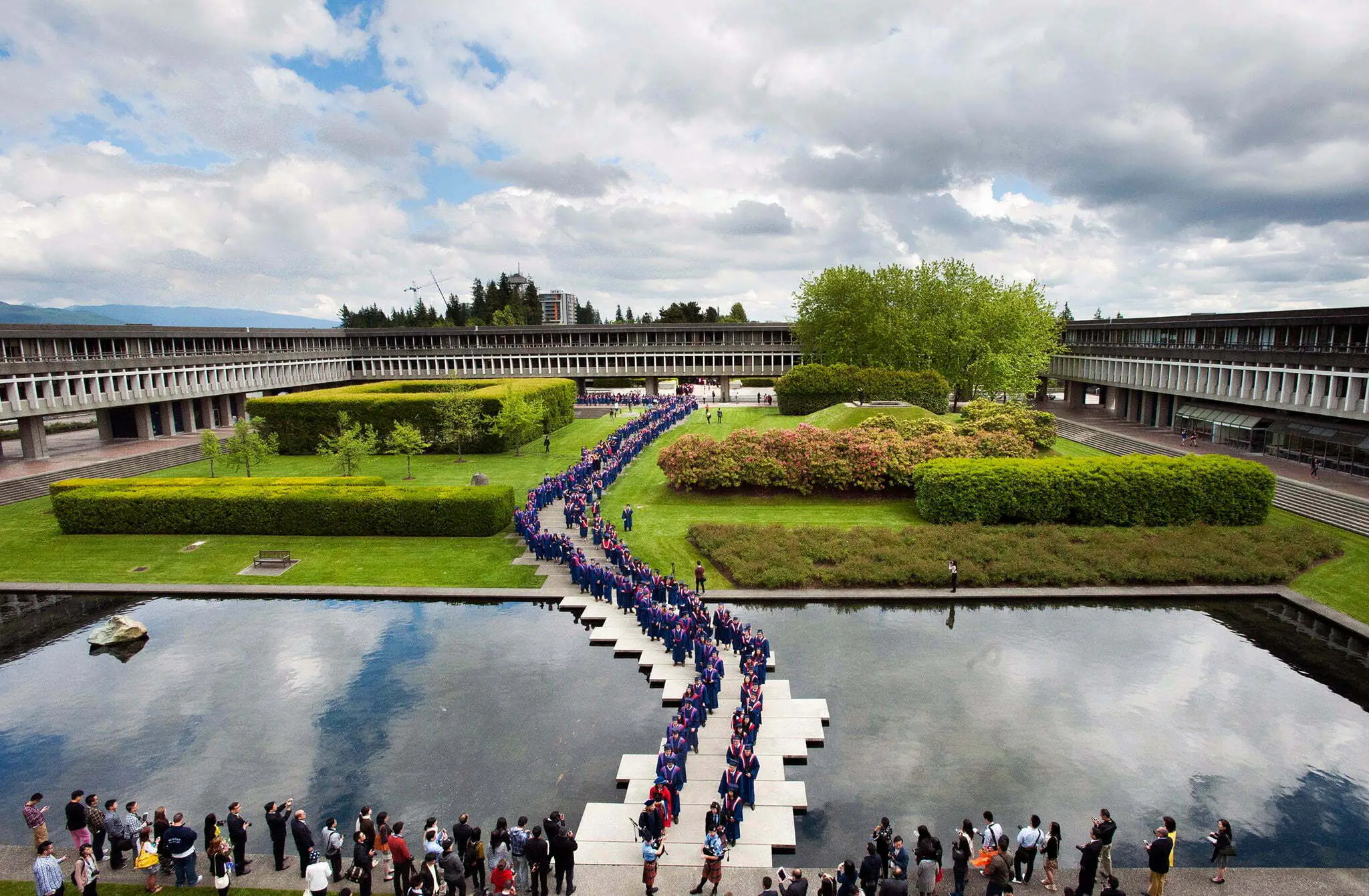
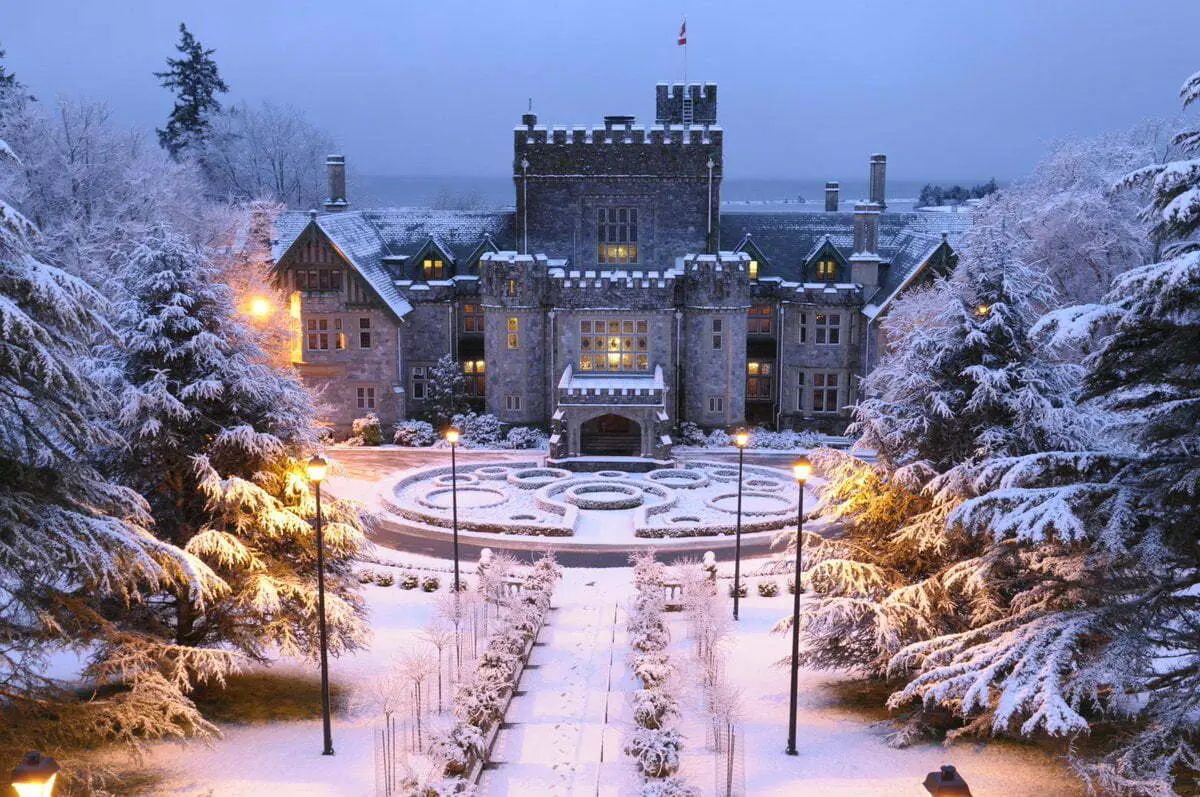
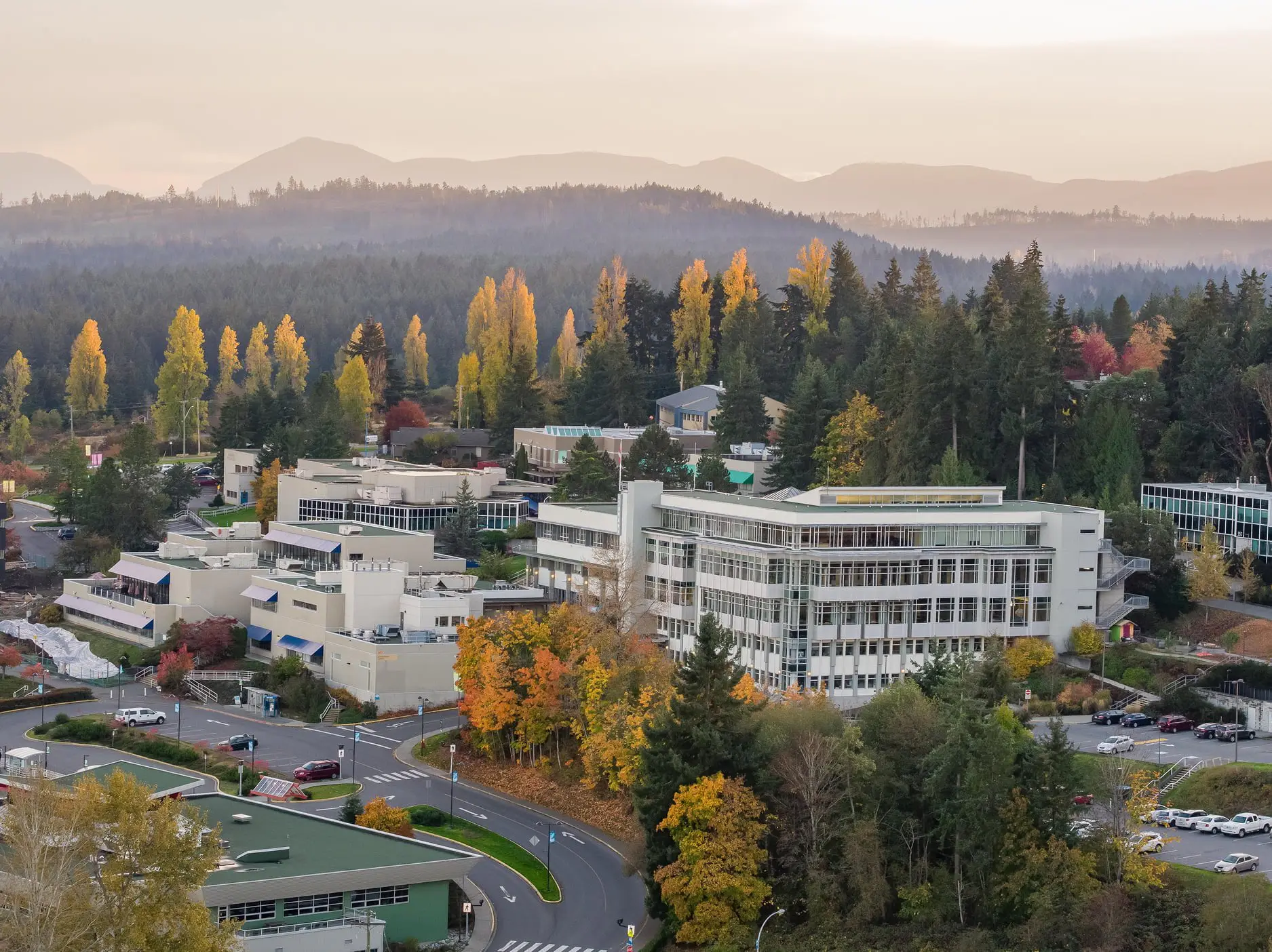
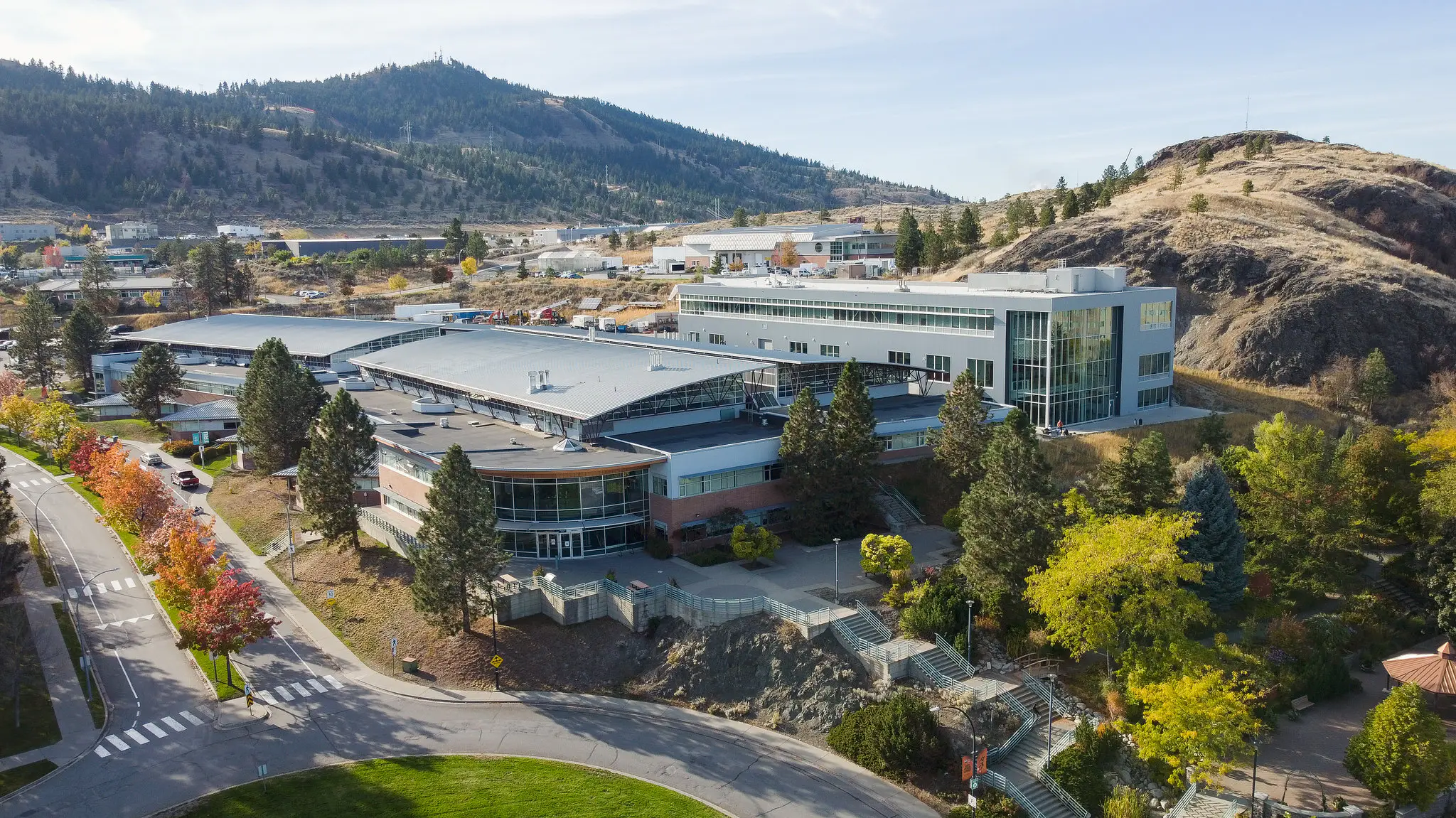
SFU’s three campuses are connected by rapid transit. Each is situated within Metro Vancouver, a region surrounded by the ocean, mountains and rain forest. Students can explore the area’s communities, cultural activities and events alongside their university studies.
The campuses are located on the traditional territories of several First Nations. The Burnaby campus is on the traditional territories of the Squamish, Tsleil-Waututh, Musqueam and Kwikwetlem Nations. The Surrey campus is on the traditional territories of the Katzie, Kwantlen, Kwikwetlem, Qayqayt and Musqueam Nations, as well as numerous Stó:lō Nations. The Vancouver campus is on the traditional territories of the Squamish, Tsleil-Waututh and Musqueam Nations.
Faculties and Academic Areas
Applicants choose a faculty and a program when they apply to SFU. Once enrolled, students have opportunities to explore different courses and disciplines. The university’s trimester schedule provides flexibility for students balancing their studies with other commitments.
The eight faculties cover a broad range of academic and professional interests:
- Beedie School of Business: Business education includes applied learning, industry partnerships and projects. Areas of study include accounting, finance, marketing, management and entrepreneurship.
- Faculty of Arts and Social Sciences: Students can explore human societies, cultures, languages and institutions through fields such as psychology, economics, history, criminology, political science and literature.
- Faculty of Education: The faculty focuses on teaching and learning, with areas including elementary and secondary education, curriculum and instruction, counselling, and educational psychology.
- Faculty of Environment: Programs address social and ecological challenges through areas such as geography, environmental science, resource management and archaeology. The faculty offers Bachelor of Arts, Bachelor of Science and Bachelor of Environment degrees.
- Faculty of Applied Sciences: Computing and engineering programs develop technical skills and explore their application to societal challenges. Areas include computing science, engineering science, software systems and sustainable energy engineering.
- Faculty of Health Sciences: Students examine health challenges using approaches that include health promotion, laboratory skills, policy writing, data analysis and research.
- Faculty of Science: Study and research areas include biological sciences, chemistry, mathematics, physics, earth sciences and biomedical physiology. Students have opportunities to learn from researchers working in their fields.
- Faculty of Communication, Art and Technology: This faculty brings together media, art, culture and technology. Its areas include communication, contemporary arts, interactive arts and technology, and publishing.
Some areas bring together perspectives from more than one discipline. For example, sustainable energy engineering combines engineering and science with topics such as environmental policy, resource management and entrepreneurship. The university also offers majors, minors, concentrations and other areas of focus within its undergraduate studies.
Experiential Learning and Career Preparation
Experiential learning is an important part of SFU’s approach to undergraduate education. Students can apply their knowledge beyond the classroom through opportunities involving social enterprises, local businesses, government agencies and international corporations.
Co-operative Education
SFU’s co-operative education program gives undergraduates an opportunity to explore potential career paths, develop workplace skills and put academic learning into practice. Co-op placements are available throughout Canada and internationally. The program is open to undergraduates interested in gaining experience, although participation does not guarantee a particular placement.
Co-op experiences can connect students with work in areas related to their studies, from design and health services to engineering and environmental applications. The brochure also notes that co-op can help students finance their education and may lead to career opportunities after graduation.
Study Abroad and Entrepreneurship
Students may earn credit toward an SFU degree while studying at a partner institution abroad or participating in a field school directed by an SFU instructor. These experiences can offer opportunities to encounter another culture and learn another language while continuing academic work.
Entrepreneurial programs are also available to students from different faculties. They support the development of practical skills and collaboration on real-world problems, including the development of new ventures.
French-Language Opportunities
SFU offers several ways for students to engage with the French language and francophone cultures. Depending on their interests, students can explore bilingual programs, take elective courses taught in French or participate in French-language social activities. These options provide opportunities to develop knowledge of both of Canada’s official languages.
Student Support and Learning Resources
SFU provides academic, financial, health and transition services intended to support students throughout their studies. Academic advisors help students plan courses, understand program requirements and consider their educational and personal goals.
The Learning Commons offers research assistance, workshops on study habits and feedback on writing assignments. Its resources are available to students from different academic backgrounds who want to strengthen their learning skills.
Health and Counselling provides medical, mental health and counselling services, along with activities that encourage creativity and community connections. The Centre for Accessible Learning facilitates academic accommodations for students with documented disabilities and works with other university units to address disability-related barriers.
The Indigenous Student Centre welcomes self-identified First Nations, Métis and Inuit students. Its support includes cultural and holistic programming, academic and financial advising, tutoring, peer connections, an Elders program and student spaces. The Multifaith Centre supports spiritual well-being through activities, discussion groups and interfaith dialogue.
International Student Support
International Services for Students offers support for the transition to studying in Canada. Services include international advising and opportunities to connect with others as students adjust to university and life in a new community.
Financial Guidance
Students can seek guidance on scholarships, awards, bursaries and loans. SFU also offers entrance scholarships for eligible high school applicants. Financial aid staff can help students understand funding options and consider sources of support during their studies.
Housing, Recreation and Student Life
SFU residence offers students independent living in single rooms within a living-learning community. The brochure describes residence as being within walking distance of classes, services, recreation and other amenities. Students can also access meals at the Dining Commons.
Outside class, student clubs, associations, unions and volunteer organizations offer ways to meet people, pursue interests and develop leadership experience. Groups cover academic subjects, arts and culture, social justice, charitable causes, sports, hobbies and other interests. Students can join an existing club or start their own.
Recreation opportunities include indoor and outdoor fitness facilities, classes, programs and intramural leagues. These activities give students options for staying active and connecting with the campus community.
General Admission and Transition
Admission requirements depend on the program an applicant chooses, where they are studying and the curriculum they are following. SFU provides program-specific requirements for a range of curricula, as well as admission information for Indigenous and International Baccalaureate students. The brochure also identifies post-secondary transfer as an application pathway.
High school applicants should complete their required courses and maintain competitive grades, including in courses that are still in progress when they apply. Requirements and supporting documentation can differ by applicant and program.
To help new students prepare for university, SFU offers online transition activities and opportunities to connect with faculties, peers, services and clubs. First-year students receive priority enrolment for their first two terms, and academic advisors can help them plan their courses. Once students arrive, orientation activities introduce them to campus life and the university community.