Campus Locations and Community
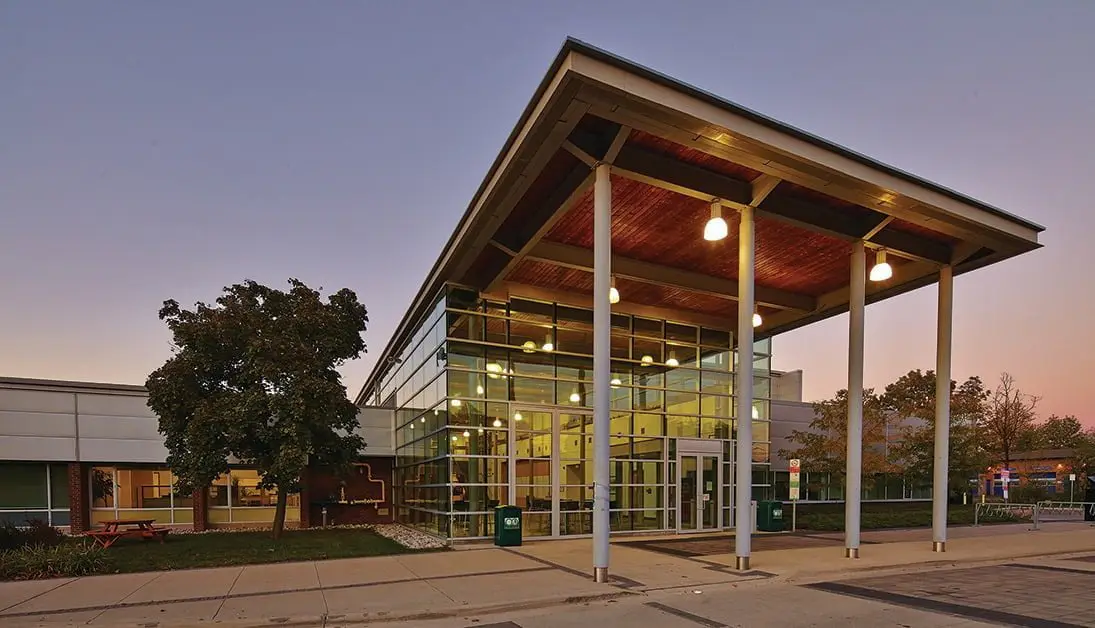
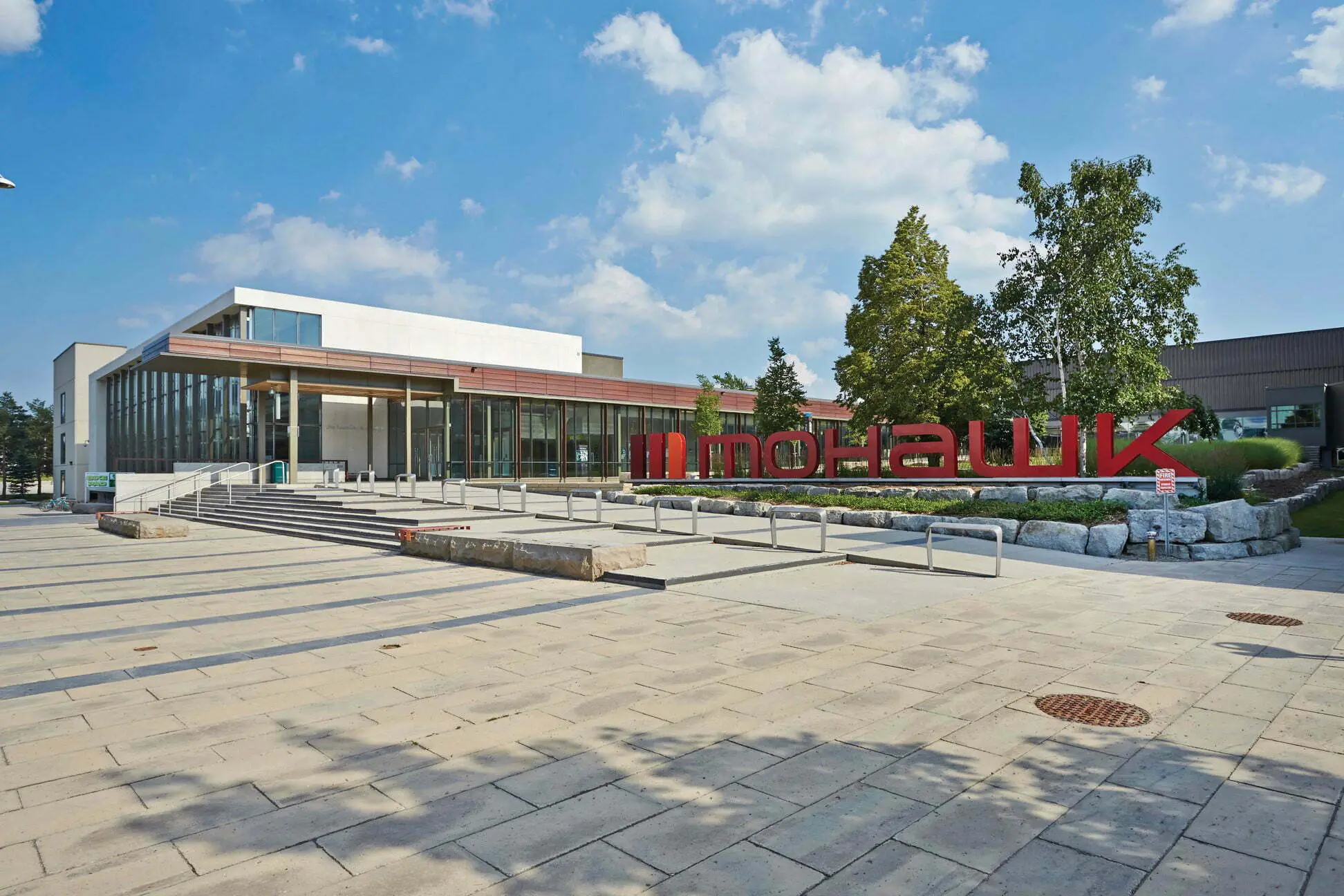
Mohawk’s Hamilton-area locations include Fennell Campus, Stoney Creek Campus for Skilled Trades, the Institute for Applied Health Sciences at McMaster and the Centre for Aviation Technology at Hamilton International Airport in Mount Hope. Some programs are also offered online or at partner locations, including Six Nations Polytechnic in Brantford and learning sites in Burlington and Hamilton.
Hamilton offers access to parks, trails and waterfalls as well as galleries, restaurants and independent shops. Students can travel to campus using public transit or alternatives such as walking, cycling, carpooling and ridesharing.
The college takes its name from the Mohawk Nation, one of the Six Nations of the Haudenosaunee Confederacy. It recognizes the Six Nations of the Grand River and the Mississaugas of the Credit First Nation in its land acknowledgment, alongside the treaties and agreements governing the territories where its campuses are situated.
Academic Areas and Credentials
Mohawk’s programs combine academic study with practical preparation across a range of fields:
- Business: The McKeil School of Business offers study in areas such as accounting, marketing, financial services, administration, analytics and tourism.
- Creative industries: Students can explore fields including advertising, animation, broadcasting, design, photography and media.
- Community services: Programs address areas such as early childhood education, social services, child and youth care, justice and community safety.
- Health: Study options include nursing, medical imaging, rehabilitation support, pharmacy, personal support and health and wellness.
- Skilled trades: The Marshall School for Skilled Trades & Apprenticeship provides training in fields such as construction, electrical work, mechanical trades, welding and heating and refrigeration.
- Technology: Programs cover aviation, biotechnology, computer systems, software, engineering technology, architecture and environmental studies.
Certificates introduce fundamental knowledge and skills, while diplomas combine theory and practical training for particular careers. Advanced diplomas provide more specialized study and may include a required co-op component. Bachelor’s degrees combine theory and critical thinking with applied learning and work placements; some are offered directly by Mohawk and others jointly with McMaster University.
Graduate certificates build on previous postsecondary education and allow students to develop professional skills or specialize further. Continuing Education offers part-time certificates, diplomas and micro-credentials in a variety of subject areas.
Preparatory Studies and Transfer Pathways
Preparatory programs help students develop skills for work or meet requirements for further study. Options include academic upgrading, English for Academic Purposes, general arts and science, and preparation for health, technology, media and design studies. General arts and science pathways include college and university transfer options.
Applicants with previous study at another institution may be eligible for transfer credit. Mohawk also considers prior learning acquired through study, work and life experience for possible recognition. Within the college, some pathways allow students to build on earlier learning through further diplomas, graduate certificates or degree-completion programs.
For graduates planning to continue their education elsewhere, Mohawk has credit-transfer agreements with institutions in Ontario, across Canada and abroad. The credit awarded and any additional prerequisites depend on the receiving institution and pathway.
Hands-On Learning and Campus Facilities
Experiential learning is incorporated across Mohawk’s programs. Depending on the field of study, students may take part in simulations, industry projects, placements, field trips or other activities that connect classroom concepts with practice.
Specialized facilities support this approach. Aviation students can combine theory and practice in a hangar at the airport campus. The Elevating Devices Mechanics Lab contains working elevators, an escalator, accessibility lifts and controls, while the Early Childhood Education Lab provides a simulated classroom environment.
Health students have access to simulation learning, and the Centre for Integrated and Advanced Imaging houses an MRI machine used for hands-on training and by local hospital partners. The XR Innovation Studio offers immersive learning experiences designed to help students understand complex concepts.
Career Preparation, Co-op and Apprenticeships
Mohawk works with industry and community partners to connect education with workplace practice. Its Future Ready Premium Employer Program gives students and alumni opportunities for early exposure to regional employers, career exploration, industry-specific experiential learning and job-search support. Career advisors and coaches also help with resumés and interviews and connect students with employers through networking events and job fairs.
Co-operative education is available in selected programs. Depending on the program, co-op may be optional or required and can provide paid, industry-related work experience alongside academic study. Co-op specialists support participating students, and some Mohawk co-op programs hold accreditation from CEWIL Canada.
For apprentices, Mohawk provides the required in-school component of training while practical learning takes place on the job under an experienced tradesperson. An employer or sponsor is part of the apprenticeship pathway. Students who complete all levels of certain apprenticeship programs at Mohawk may also receive an Ontario College Certificate.
General Admission Pathways
Admission to full-time programs generally requires an Ontario Secondary School Diploma or an equivalent qualification, unless a program states otherwise. Academic upgrading and other recognized equivalents may be used where applicable, and mature applicants have options for obtaining required equivalent courses.
Prerequisites vary by program. Many diploma and advanced diploma programs require senior-level English, with mathematics or science courses also required in fields such as business, technology and health. Degree programs may require specific university-level or university/college-level secondary school courses and minimum averages.
Applicants whose first language is not English must demonstrate English proficiency. Mohawk also offers an English for Academic Purposes program, for which a language assessment is required. Some programs have additional requirements, such as a portfolio, interview or assessment. Applicants should also check for post-admission requirements, which can include police checks, clinical or field-placement conditions, and equipment.
Some programs are competitive because they receive more eligible applicants than there are spaces. Indigenous applicants to oversubscribed programs may be considered individually through Mohawk’s Facilitated Admission Process.
Student Services and Campus Life
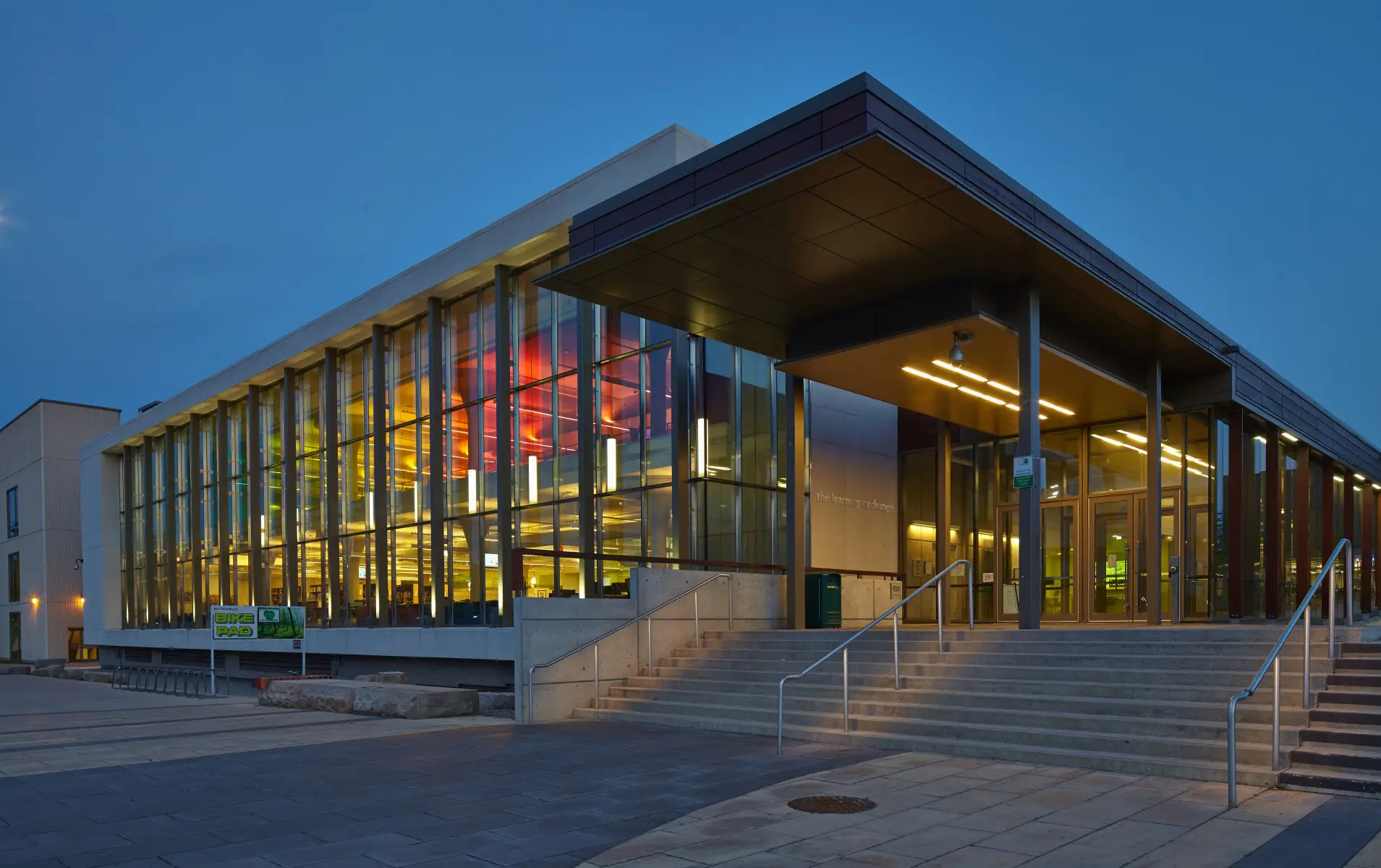
Student services include academic and learning support, library and study spaces, technology assistance, health and wellness services, career support and financial assistance. Students can seek guidance on awards, scholarships, bursaries and government financial aid, as well as use financial literacy resources covering topics such as budgeting and debt repayment.
Indigenous Student Services offers supports such as peer tutoring, cultural workshops, visits from Elders, employment opportunities and student awards. The college also provides resources related to equity and inclusion, student rights and responsibilities, conflict resolution, and prevention of and support for sexualized and gender-based violence.
Student Life activities include orientation, volunteering, leadership and community involvement. Registered students are members of the Mohawk Students’ Association, which offers services, events and information about student government, campus jobs and an extended health plan.
For recreation, students can participate in varsity sports, intramurals, extramurals and drop-in activities. The David Braley Athletic & Recreation Centre at Fennell Campus includes a fitness centre and triple gymnasium; Stoney Creek Campus also has a fitness centre.
Housing Options
Mohawk College Residence is located at Fennell Campus. Its furnished suites include private bedrooms and shared kitchenettes and bathrooms. Residents also have access to study and social spaces, laundry facilities and an on-site restaurant.
Students can also consider off-campus accommodation or a home-sharing arrangement through SpacesShared, which connects students looking for housing with older adults who have space in their homes. College staff can provide information and support to students exploring community housing options.
Sustainability
Mohawk has a stated commitment to decarbonize and reach net-zero emissions in its direct operations. Campus sustainability initiatives also provide learning opportunities and invite student participation through projects, events and ideas.
At Fennell Campus, the Joyce Centre for Partnership & Innovation is a zero-carbon institutional building that serves as a living lab for students. The college also offers community garden plots and promotes transportation options such as transit, cycling, walking and carpooling.