Thunder Bay and the surrounding community
Confederation College is located in Thunder Bay, in Northwestern Ontario. The city sits on the shore of Lake Superior, the world’s largest freshwater lake by surface area. The region offers expansive natural landscapes as well as urban amenities and recreational activities for students.
Life in Thunder Bay includes restaurants serving a range of cuisines, arts and music events, and nightlife. The city is connected to Toronto by air, with flights taking about an hour and a half to two hours. According to the college’s promotional materials, the cost of living in Thunder Bay is lower than in Canada’s major cities.
Programs and academic offerings
Confederation College offers a wide range of applied programs designed to develop students’ subject knowledge and career skills. Areas of study include aviation, engineering technology, skilled trades, natural resources, business, culinary arts, media arts, health care, community services, preparatory studies and language training. The college emphasizes hands-on learning in small classes.
Depending on the program, students can pursue an Ontario College Certificate, college diploma, advanced diploma, graduate certificate or honours bachelor’s degree. The college also offers some accelerated college programs for people who already hold a postsecondary credential. Specific options and admission requirements should be checked for each program.
Aviation
Aviation training options include aircraft maintenance, aircraft maintenance engineering and aerospace manufacturing engineering technology. Students gain practical experience in areas related to aircraft maintenance, safety and repair. Aerospace manufacturing programs also introduce students to production processes in the sector.
Engineering technology
Engineering technology programs cover areas such as civil, electronics, electrical and mechanical engineering, as well as industrial manufacturing processes. The college also offers options related to computer programming. Depending on their specialization, students learn about and work with the design, development and maintenance of technical systems.
Skilled trades
Skilled trades programs include carpentry and renovation, mechanics, motive power and welding, as well as options related to automotive or heavy equipment. Students practise skills used in construction, repair and the maintenance of infrastructure, vehicles or machinery.
The college also offers a technology preparatory program for those interested in further study in technology, aviation or the skilled trades.
Natural resources
Natural resources play an important role in Canada’s economy and daily life. Confederation College offers programs related to the environment, forestry and ecosystem management. Students have opportunities to learn and gain practical experience in managing and protecting the environment and natural resources.
Business
The college’s business programs include general business, accounting, human resources management and marketing. Coursework combines foundational knowledge with practical learning in areas such as accounting, marketing and human resources management.
At the graduate level, the college offers options in areas such as digital marketing and data analytics, human resources management and international business management.
Culinary arts and hospitality
Culinary training develops the knowledge and skills needed to prepare and present food, while emphasizing food safety and hygiene. Programs related to culinary management introduce students to restaurant operations through practical coursework in areas such as food preparation, menu planning and service management.
Media arts
Media arts focuses on sharing information and communicating through modern media. Programs at the college include film production and interactive media. Students gain practical skills related to content production and digital media.
Health care
Health care programs combine theoretical learning with hands-on experience to prepare students for work in health-care settings, with an emphasis on the safety of those receiving care. Areas of study include nursing, dental studies, medical laboratory studies, pharmacy, health information and personal support.
Students can explore programs such as dental hygiene, medical laboratory assisting and personal support worker training. The college also offers a health sciences preparatory program for those seeking further study in health care, along with graduate options in health administration and leadership or health informatics.
Community services programs develop the knowledge and skills needed to support people with a range of needs. Areas of study include developmental services work, early childhood education and therapeutic recreation. Students gain practical experience supporting communities in settings suited to their specialization.
Some accelerated college programs in this area are designed for people who already hold a postsecondary credential. Requirements and admission criteria can vary by program.
Preparatory and language programs
Confederation College offers English for Academic Purposes (EAP) and General Arts and Science programs, with one- and two-year options. These programs help students prepare for further study or build a foundation for pursuing other fields.
Facilities and student support
Learning spaces and amenities
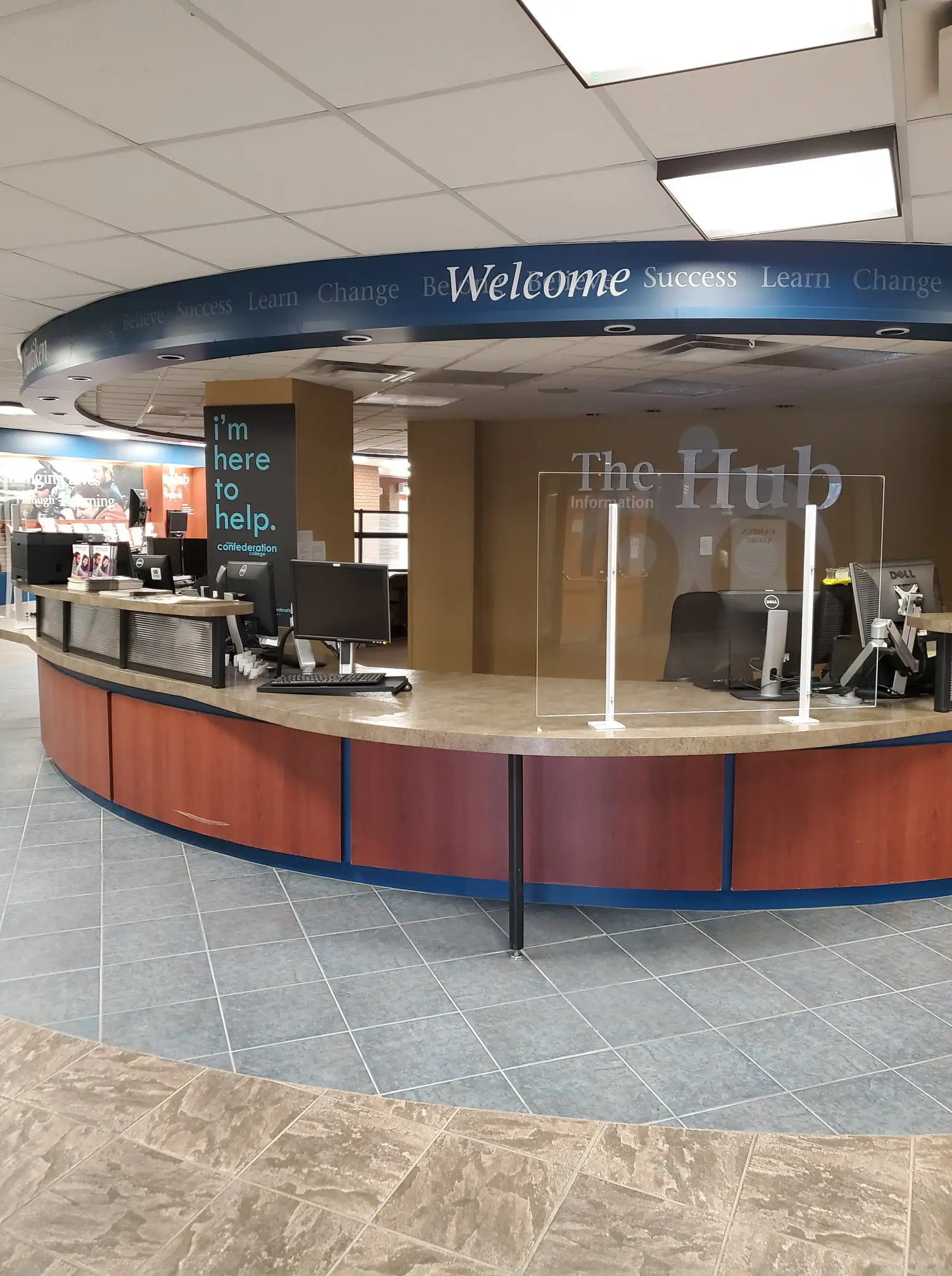
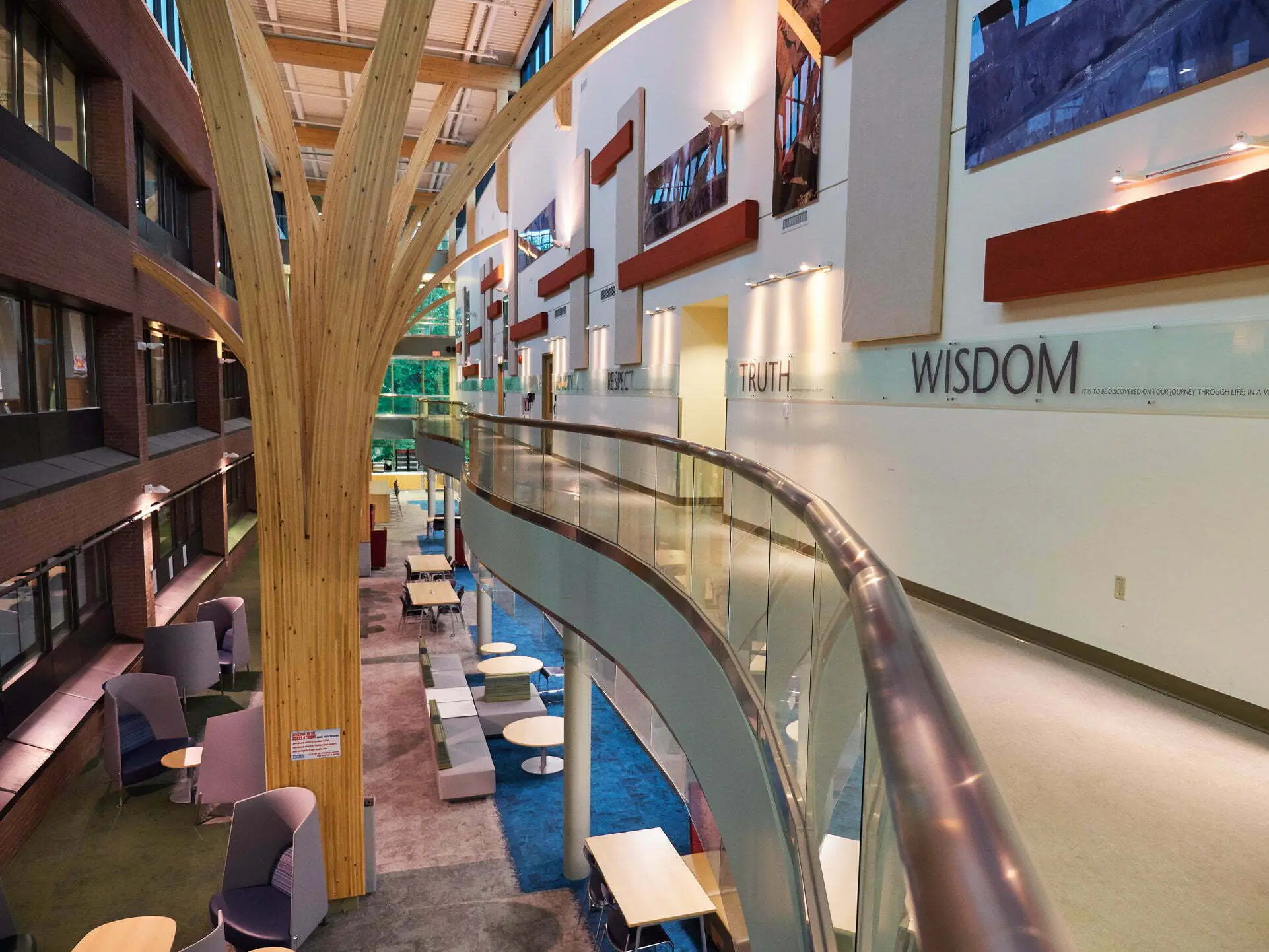
Students can access learning resources such as academic advising, learning support, the writing centre and Paterson Library Commons to support their studies and research. The Registrar’s Office and information centre help students navigate college procedures.
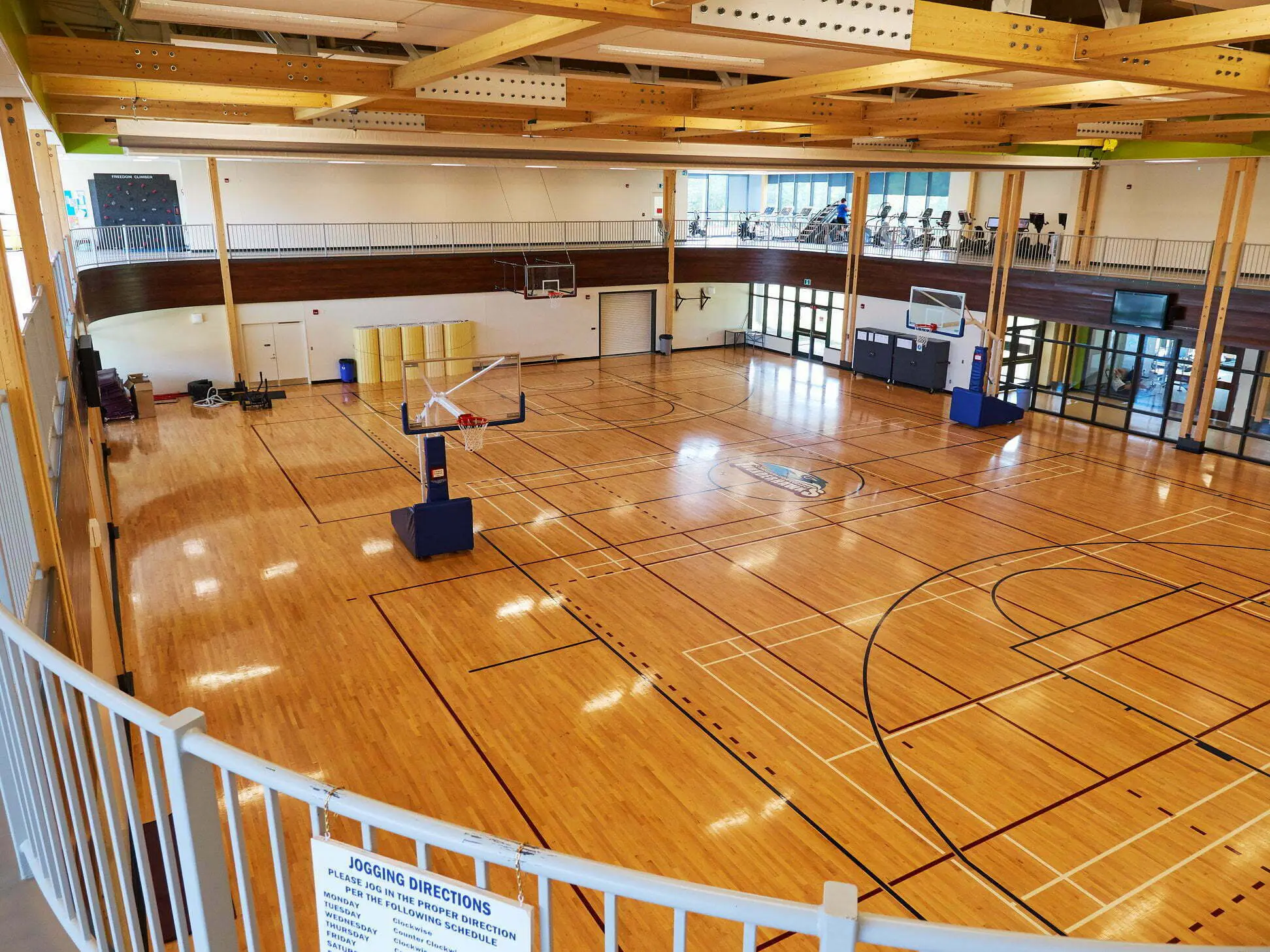
Campus amenities include a fitness centre, recreational sports programs, self-serve dining areas and food options to suit a range of dietary needs. The college also has a bookstore and residence services. Bus passes provided by the students’ union support travel between campus and areas across the city; students should check the terms and conditions.
Health and personal support
The college provides counselling, accessibility services, a health clinic and health and wellness resources for students. These services help students access support when facing academic or personal challenges. Outside the college, students can also turn to local clinics, hospitals and community health centres.
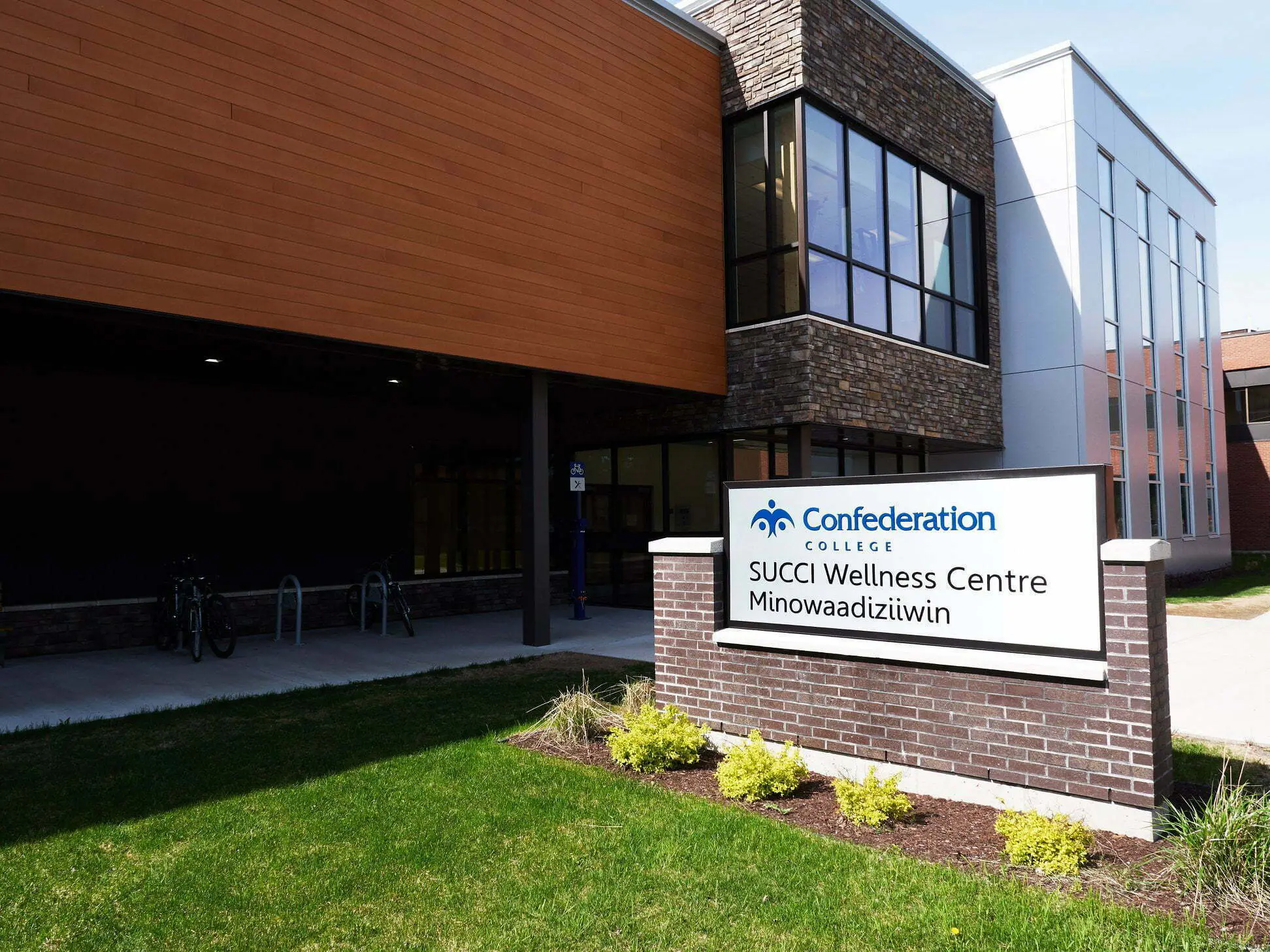
Other resources include a food bank and the SUCCI Health Centre, Minowaadiziwin. International students can contact the International Education Centre in addition to using the college’s general services.
Student life and financial support
SUCCI, the college’s students’ union, represents and advocates for students, while organizing events, recreational activities and initiatives focused on health and diversity. The union also offers student employment opportunities and provides bus pass services.
The college offers entrance scholarships for selected programs. During their studies, students can also explore eligibility for other awards, scholarships and bursaries.
Experiential learning and career opportunities
Hands-on training is an important part of many programs at Confederation College. Work-integrated learning may be mandatory or optional, depending on the program. In designated programs, the college offers Co-op or arranges workplace placements.
These experiences help students apply their subject knowledge, gain experience and build relationships with employers. Credits and related requirements depend on the structure of each program.
Career services include in-person or online individual advising, workshops and presentations on career development and work-integrated learning. Career fairs give students opportunities to meet local employers. Resources listed by the college also include on-campus employment services and Northwest Employment Works.
Working and settling in Canada after graduation
International students interested in working after graduation should check their program’s eligibility and current requirements for a post-graduation work permit (PGWP). Graduation does not automatically guarantee eligibility for a PGWP or employment.
Those exploring immigration options can consider relevant federal or provincial immigration programs. Eligibility criteria, priority occupations and work experience requirements can change; an invitation to apply or permanent resident status is not guaranteed.
Admission requirements
Many programs require applicants to have graduated from high school at a level equivalent to Grade 12 in Canada. Some fields also have prerequisite courses: technology and aviation programs may require Grade 12 mathematics, while some health programs may require Grade 12 chemistry, biology or mathematics.
Programs for applicants who already hold a postsecondary credential require a relevant credential from a recognized institution. Before starting classes or a placement, some health and community services programs may also require immunizations and a criminal record check.
International students need to demonstrate English proficiency according to their program’s requirements. The college’s promotional materials list IELTS scores of 6.0 or 6.5, depending on the field; the college may also accept other English-language tests. Required scores and specific conditions should be confirmed in the admission information for the chosen program.
The college has fall, winter and spring intakes, which typically begin in September, January and May. Not every program is offered in all three terms. International applicants can apply online or through an education agent and should allow enough time for visa procedures, if required, and a study permit after receiving an offer of admission.