Campus Locations and Community Learning
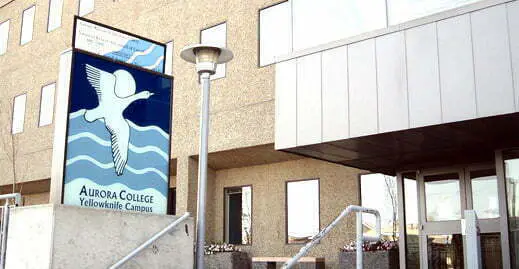
Aurora College delivers education through three campuses: Aurora Campus in Inuvik, Thebacha Campus in Fort Smith and Yellowknife North Slave Campus in Yellowknife. It also operates 21 Community Learning Centres and delivers programs at other community sites across the Northwest Territories.
This network gives learners opportunities to pursue some studies close to their families and communities. Course offerings and delivery methods vary by location, and some programs are not offered every year. Delivery may depend on enrolment and available funding, so prospective students should confirm where and how their chosen program is being offered.
The college describes small class sizes as part of its learning environment, allowing for individual attention and interaction with instructors. Depending on the program, students may learn in classrooms, laboratories, shops, field settings or workplaces. Some courses use distance or online delivery.
Academic Areas and Credentials
Aurora College organizes its academic programming into schools covering arts and science, business and leadership, developmental studies, education, health and human services, and trades, apprenticeship and industrial training. Credentials include certificates and diplomas, as well as a nursing degree offered through a university partnership. Some shorter training programs lead to a record of achievement, record of participation or certificate of completion.
Arts, science, business and leadership
Study in arts and science includes environment and natural resources technology, combining classroom coursework, laboratory skills and field learning. Business and leadership offerings cover areas such as business administration, office administration, aviation business and workplace leadership.
Some credentials provide a route from certificate to diploma study. For example, students in business administration and office administration begin with certificate-level work and may continue into a diploma. Business administration also offers an optional work experience pathway.
Education, health and human services
Education offerings include early learning and child care and adult education. Early learning and child care study addresses inclusive, play-based learning and incorporates Indigenous languages, cultures and traditions. The program includes opportunities to apply knowledge through field placements.
Health and human services study includes nursing, practical nursing, personal support work and community health. The Bachelor of Science in Nursing is offered through a degree-granting partnership with the University of Victoria. A bridge pathway is also described for eligible licensed practical nurses who wish to enter the nursing degree program.
Trades and industrial training
The college offers apprenticeship training in cooperation with the Government of the Northwest Territories. Trades and industrial training covers areas such as construction, electrical work, equipment operation, camp cooking, mineral processing and mining. Apprenticeship combines work-based training in a trade with formal technical instruction.
Practical facilities and equipment support some of this training. Mining students may use simulators and equipment, while surface mining instruction includes learning at the college’s open pit training site in Fort Smith. Other trades programs combine classroom theory with hands-on shop work.
Academic Upgrading and Access Pathways
The School of Developmental Studies supports learners who want to build foundational skills, meet prerequisites or prepare for employment and further education. Adult Literacy and Basic Education ranges from basic literacy to coursework at the Grade 12 level. Study plans are based on learners’ academic levels, interests and goals.
The Occupations and College Access Program and the University and College Access Program combine academic upgrading with preparation for particular study pathways. Depending on the pathway, these programs can help learners prepare for college certificates, trades, diplomas or degree study. Available courses vary by location, and some may be delivered at a distance.
Adult learners who meet territorial requirements may be eligible for an NWT Secondary School Diploma through the Department of Education, Culture and Employment. Prior learning assessment may form part of that process.
Learning Through Practice
Practical experience is a feature of many Aurora College programs. Students in selected health, education and office administration programs complete mandatory practicums with external partners. Nursing students undertake clinical experiences, while natural resources students learn in laboratories and remote field camps.
Placement requirements depend on the program. Some nursing students may need to travel or relocate because of the availability and nature of clinical placements. Practicum partners may also have policies, including vaccination requirements, that students must meet to participate.
The college works with Indigenous, municipal, territorial and federal governments, as well as businesses, industry and non-government organizations. Partnership arrangements support programs that respond to immediate training needs or recurring demand in the Northwest Territories.
Indigenous Knowledge and Northern Research
Aurora College identifies respect for Indigenous history, cultures, languages and traditions as central to its operations and programs. Its approach to student support recognizes connections to community, land, culture and family. Northern Indigenous cultural history and Traditional Knowledge are incorporated into areas including education, business, developmental studies, environmental technology and health care.
The Aurora Research Institute is the college’s research and scientific division, with research centres in Inuvik, Fort Smith and Yellowknife. Its mandate includes applying scientific, technological and Indigenous knowledge to northern challenges and supporting research that contributes to the social, cultural and economic well-being of Northwest Territories residents.
The institute also coordinates and licenses research under the NWT Scientists Act, promotes communication between researchers and communities, and helps make scientific and Traditional Knowledge available to people in the territory. Aurora College is a member of the University of the Arctic, a cooperative network focused on higher education and research in the circumpolar North.
General Admission Pathways
Admission requirements vary by program. Applicants may need a high school diploma or specific secondary-school courses, commonly in English and mathematics. Science prerequisites are required for some health, environmental and trades pathways. College upgrading courses or other recognized equivalents may also be considered.
For some programs, mature applicants who are at least 20 years old and have been out of school for at least one year may be assessed individually. Depending on the program, relevant work or life experience, an interview, a placement test or other assessments may be considered. Placement tests in developmental studies help identify an appropriate learning level rather than serving as pass-or-fail exams.
Applications may require official transcripts and, for certain programs, a letter of interest, references or evidence of experience. Programs involving work with children or health-care clients may require a criminal records and vulnerable sector check, immunization documentation or other placement-related requirements. Some programs give admission priority to specified applicant groups or graduates of relevant Aurora College access pathways.
The college also uses prior learning assessment and recognition to evaluate previous learning for admission or possible credit. Equivalent post-secondary coursework may be considered for transfer credit after a student has been accepted.
Transfer and Further Study
Aurora College has articulation, accreditation and transfer credit agreements with other post-secondary institutions and organizations. The calendar describes arrangements in areas including natural resources technology, business administration and nursing. Transfer depends on the agreement, the courses completed and the policies of the receiving institution; not every course in a program is necessarily transferable.
Some programs also provide internal progression opportunities. For example, eligible students may move from certificate to diploma study, while qualified licensed practical nurses may apply to bridge into the nursing degree program. Students considering further study should check the requirements that apply to their intended pathway.
Student Services and Learning Resources
Each campus has staff who can arrange academic assistance through tutoring, workshops, learning resources and career counselling. Students are encouraged to seek help from their instructors first, with additional tutoring support available through student services.
Non-clinical counselling is available for career exploration and personal wellness. Student services also provides orientation, financial information, referrals, personal development opportunities and cultural celebrations. The college recognizes its responsibility to accommodate students with disabilities; applicants and students are responsible for notifying the college of their disability.
Libraries at the three campuses and the Aurora Research Institute provide in-person and online resources. Campus library services include internet access and interlibrary loans. Student associations at each campus organize activities and events and support communication between students and the college administration.
Scholarships, bursaries and awards are available, and eligible students may also seek assistance through territorial or other funding organizations. Aurora College does not provide child care, but student services can help students find information about community options.
Student Housing and Campus Life
Aurora College offers a range of student housing for single students and students with families. Options vary by campus and include dormitories, shared accommodation, apartments and row houses. Housing demand may exceed available space, and students apply through their campus housing office.
Housing is generally intended for students registered full-time in full-time programs, although exceptions may be made. The college uses housing priorities that include consideration for returning, out-of-town students in multi-year programs.
Student Life and Wellness programming includes athletic, cultural, recreational and wellness activities. Together with campus student associations, these activities provide opportunities for students to participate in college life outside their academic programs.
Continuing Education
Through its campuses and community learning network, Aurora College offers non-credit and continuing education courses and workshops for personal and professional development. Subject areas may include computer skills, business development, leadership, first aid and general-interest learning.
The continuing education office also develops customized, practical training for organizations. Courses and workshops may be delivered at college facilities or at an organization’s location, depending on the training arrangement.