

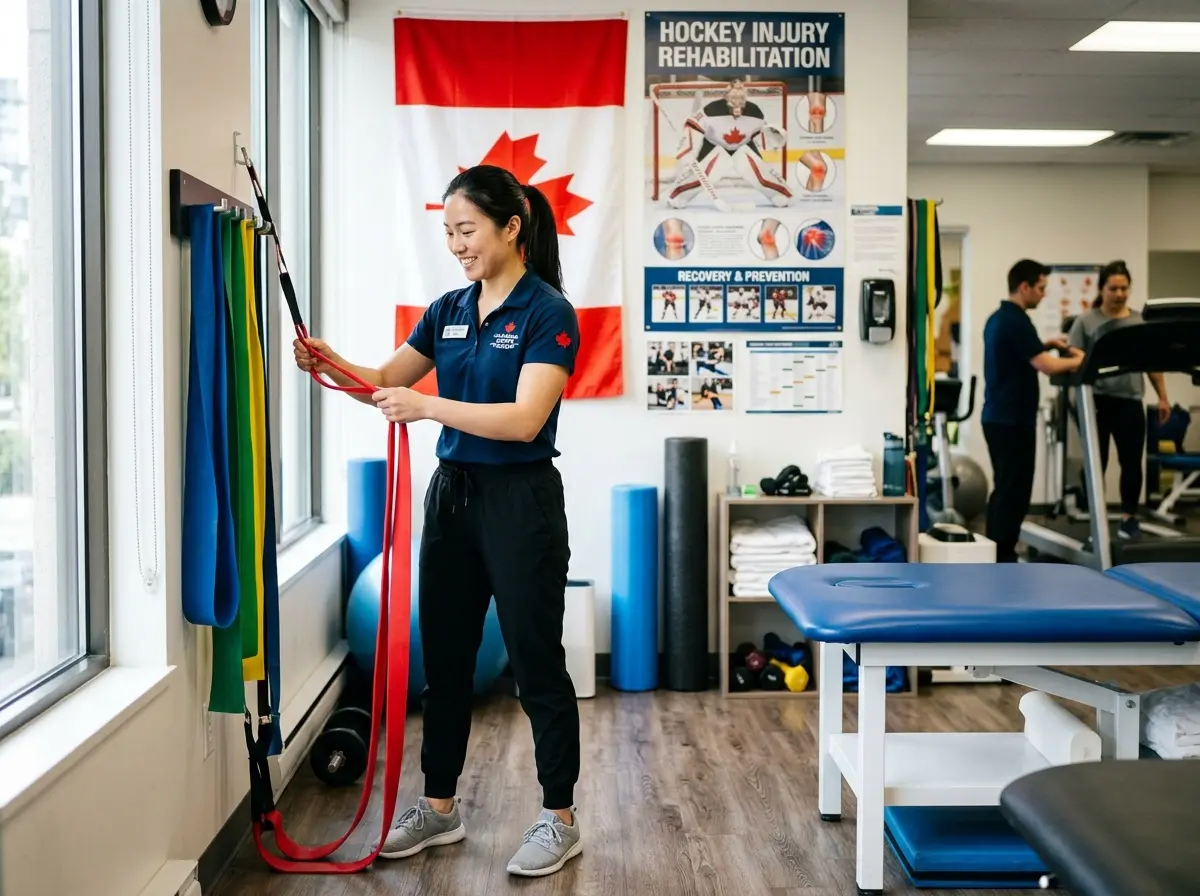
- This group performs some or all of the following duties:
- Hearing instrument practitioners
- Examine adult clients to assess hearing loss using diagnostic evaluation and electro acoustic testing
- Recommend and dispense or sell appropriate?type of hearing instrument
- Take earmold impressions for use in the manufacture of hearing devices
- Fit, adjust and make minor modifications to hearing instruments
- Educate clients in appropriate use, care and maintenance of hearing instruments
- Communicate with audiologist or other health care professionals regarding patients' condition
- Perform follow-up examinations and readjustments.
- Communicative disorders assistants and speech-language pathology assistants
- Assist speech-language pathologists and audiologists during assessment of patients
- Carry out treatment programs, document results and develop materials for use with patients, under the supervision of speech-language pathologists or audiologists
- Document patient rehabilitation progress
- Check and maintain therapeutic equipment and materials.
- Ophthalmic medical technologists and technicians
- Take patients' general medical and ophthalmic history
- Conduct specialized testing such as refractometry, ultrasonography, fluorescein angiography or ocular motility testing to aid ophthalmologists in assessing patients' vision
- Instruct patient on diagnostic test and record, interpret and troubleshoot results
- Assist ophthalmologists in performing ophthalmic procedures and surgeries
- Administer topical ophthalmic or oral medications as directed by ophthalmologists
- Prepare specimens for culture and staining
- Maintain ophthalmic instruments or equipment
- May instruct and supervise other ophthalmic staff and perform various administrative duties
- May participate in research activities.
- Physical rehabilitation therapists
- Collect and analyse information from clients' file upon referral from the physiotherapist or physician.
- Develop, implement and monitor treatment plans of clients in collaboration with the physiotherapist or physician.
- Use a variety of therapeutic modalities such as manual techniques (e.g. massage), exercises, electrotherapy, hydrotherapy and thermotherapy (ice or heat) to achieve treatment objectives.
- Advise clients on postures, lifestyle and exercises to help them improve their physical condition.
- Physiotherapy assistants and occupational therapy assistants
- Under the direction of physiotherapists and/or occupational therapists, carry out treatment programs such as thermotherapy, traction, hydrotherapy and electrotherapeutic techniques to rehabilitate patients with various injuries or disabilities to maximize their ability to independently manage daily activities.
Employment Requirements
- Hearing instrument practitioners require completion of a two or three-year college diploma in a hearing instrument specialist program, and a period of supervised training.
- Licensure with a regulatory body is required for hearing instrument practitioners in all provinces except in Prince Edward Island, New Brunswick, and Ontario. Ontario requires membership with the Association of Hearing Instrument Practitioners of Ontario (AHIP). Hearing instrument practitioners can prescribe and dispense hearing instruments except in Ontario where dispensing is dependent on a prescription from a physician or audiologist.
- Communicative disorders assistants and speech-language pathology assistants require completion of a three- to four-year college program.
- Ophthalmic medical technicians require completion of a one-year hospital based ophthalmic technician training program or a minimum of one year on-the-job training working as a Certified Ophthalmic Assistant under the supervision of an ophthalmologist.
- Ophthalmic medical technologists require completion of a two-year hospital-based training program in ophthalmic medical technology, or a 4 year bachelor's degree program in Ophthalmic Medical Technology or a minimum of two years of on-the-job training working as a Certified Ophthalmic technician under the supervision of an ophthalmologist.
- Certification by the Joint Commission on Allied Health Personnel in Ophthalmology may be required by employers.
- Physical rehabilitation therapists, who are only found in Quebec, require completion of a three-year physiotherapy or rehabilitation techniques college program and a period of internship.
- A permit to practice issued by the Ordre professionnel de la physioth?rapie du Qu?bec (OPPQ) is required for physical rehabilitation therapists.
- Physiotherapy assistants require completion of a two-year physical therapy assistant (PTA) college program, or a two-year rehabilitation therapy assistant program and supervised practical training.
- Occupational therapy assistants require completion of a two-year occupational therapy assistant (OTA) college program.
Additional Information
3142 continues as 31202 and part transferred to 32109
3237 continues as 32109 and part transferred to 33109
3414 continues as 33109 and part transferred to 32109 and part split off to emerging item 33103