

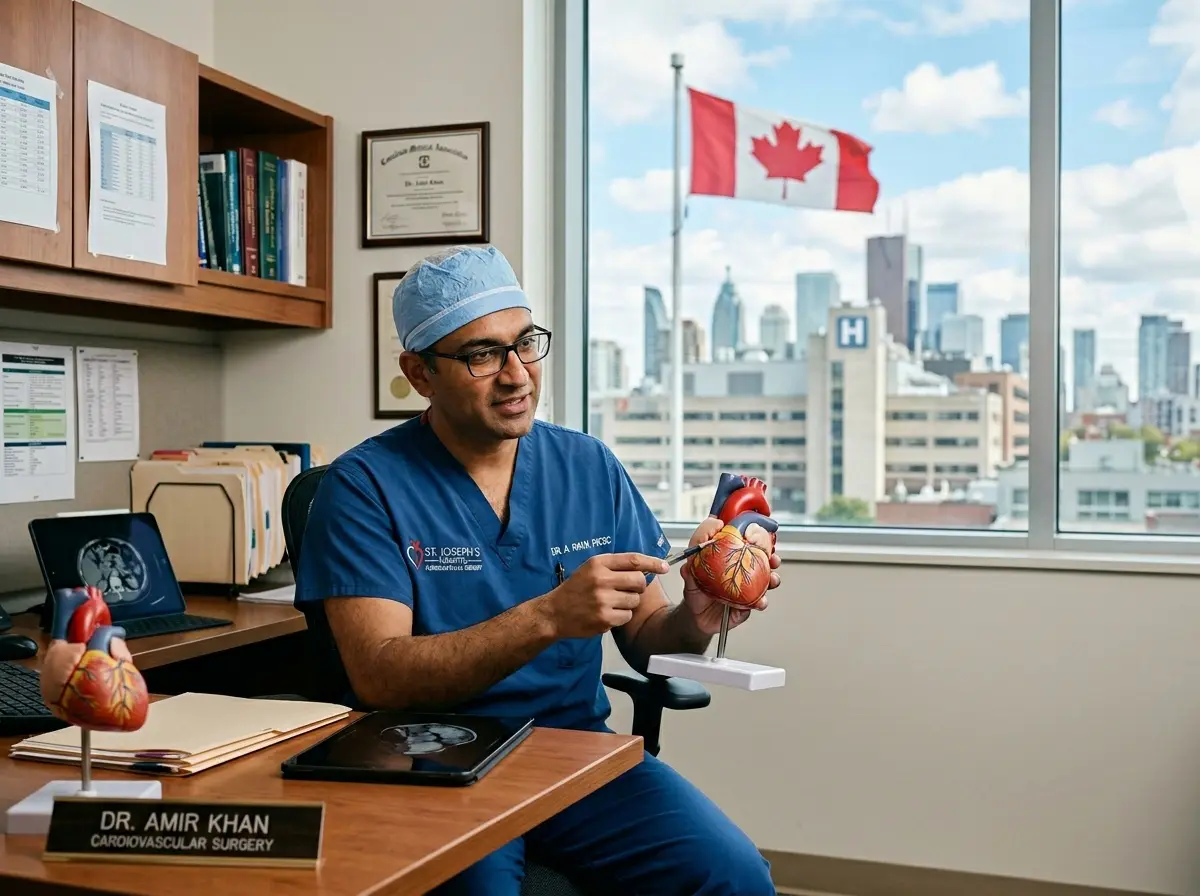
- This group performs some or all of the following duties:
- General surgeons
- Treat diseases, injuries, and deformities by invasive, minimally-invasive, or non-invasive surgical methods, such as using instruments, appliances, or by manual manipulation.
- Obstetricians and gynecologists
- Provide medical care related to pregnancy or childbirth. Diagnose, treat, and help prevent diseases of women, particularly those affecting the reproductive system. May also provide general medical care to women. May perform both medical and?gynecological surgery functions.
- Ophthalmologists
- Diagnose, treat, and help prevent diseases and injuries of the eyes and related structures.
- Urologists
- Diagnose, treat, and help prevent benign and malignant medical and surgical disorders of the genitourinary system and the renal glands.
- Other specialists in surgery
- Assess patients' diseases or disorders to determine appropriate surgical procedures.
- Perform and supervise surgical procedures to correct physical abnormalities and deficiencies and repair injuries.
- Act as consultants to other physicians.
Employment Requirements
- A bachelor's degree or in Quebec, completion of a college program and one year of pre-medicine university studies is usually required.
- Graduation from an approved medical school and specific specialty training are required.
- Completion of the certifying examinations of the Royal College of Physicians and Surgeons of Canada and licensing by the provincial or territorial licensing authority are required.
- Five to six years of specialty residency training are required.
- Two years of subspecialty training may also be required.
Additional Information
3111 continues as 31100 and part split off to emerging items 31101 and 41310