

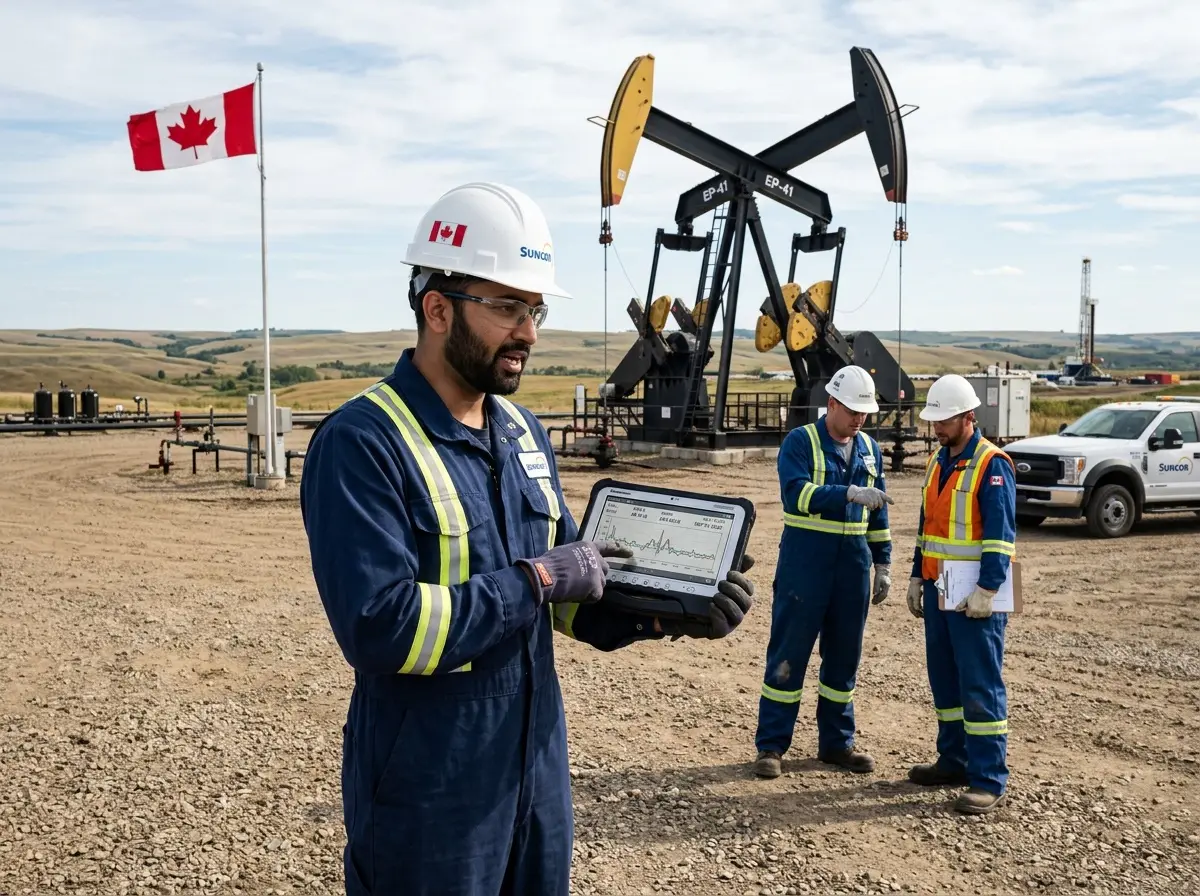
- This group performs some or all of the following duties:
- Conduct feasibility assessment studies for developing new oil and gas fields
- Direct and monitor oil and gas drilling operations
- Develop drilling programs, select sites and specify drilling fluids, bit selection, drill stem testing procedures and equipment
- Direct and monitor the completion and evaluation of wells, well testing and well surveys
- Design and select artificial lift machinery, and well and surface production equipment and systems, and specify programs for corrosion control and oil or gas treatment
- Develop specifications for and monitor and supervise well modification and stimulation programs to maximize oil and gas recovery
- Analyze reservoir rock and fluid data to design optimum recovery methods and to predict reservoir performance and reserves
- Monitor and forecast oil and gas reservoir performance and recommend oil recovery techniques which extend the economic life of wells
- Design, develop and coordinate the installation, maintenance and operation of subsea well-head and production equipment.
- Petroleum engineers may specialize in drilling, production, reservoir analysis or subsea operations.
Employment Requirements
- A bachelor's degree in petroleum engineering or in a related engineering discipline is required.
- A master's degree or doctorate in a related engineering discipline may be required.
- Licensing by a provincial or territorial association of professional engineers is required to approve engineering drawings and reports and to practise as a Professional Engineer (P.Eng.).
- Engineers are eligible for registration following graduation from an accredited educational program, and after three or four years of supervised work experience in engineering and passing a professional practice examination.